
Bird rehabilitation center cares for injured owls
Trending
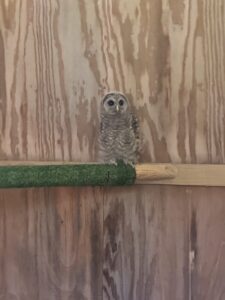
ALPENA -- Alpena's Bird Center (ABC) facility is hosting seven baby owls and one adult owl while they recover from various injuries. Ashley Kolnowski, the owner and operator of Alpena's Bird Center (ABC), said cooperation between animal rehabilitation facilities in Michigan is critical for successfully rehabilitating injured, wild animals.
Kolnowski said that the owls came from the West Michigan Wildlife Center located in Grand Rapids, the A.R.K. (The Association to Rescue Kritters) located in Roscommon County, and North Sky Raptor Sanctuary located in Grand Traverse County. She said that these owls entered her care because she was the nearest animal rehabilitator with the space to begin flight conditioning.
Kolnowski added that she will keep the owls at the sanctuary for a couple of weeks until they are ready to be self-sufficient in the wild. The owls were brought to the sanctuaries due to various injuries needing intervention from rehabilitators.
"They were literally from all over the state," Kolnowski said. "The mama owl had a broken wing from being hit by a car. A baby had a broken leg from falling from the nest ... if they can't be put back into the nest, they are taken into rehab."
Kolnowski said that it is common for baby owls to be found outside of a nest as storms push them out. She explained that it is important for humans to leave the baby owls alone, like any other baby, adult, or injured animal. She said they should contact an animal rehab center immediately.
"Sometimes they can be grounded," she said. "If they have flight feathers, it is okay to leave them."
She explained that if the owlets are "lethargic, tiny fluff balls" then they will need medical attention from a certified animal rehabilitator.
"Don’t touch," she said, adding that pictures are helpful bits of information that do not disturb or potentially harm the animal.
"A picture being sent is very valuable," she said.
According to Kolnowski, the rehab process for the owls will follow three steps before they are released back into the wild. The initial step is confining the birds to a small area where they can heal from any injuries that may have put them in the rehab facility. Then the birds are allowed to move around in bigger spaces until they graduate to flight conditioning.
Kolnowski added that the step is so that the birds can "gain the wing muscles they need" once they are released.
"We do live prey testing, this is like their last step," she said. "We have an open flight cage."
Konowski said that animal rehabilitation centers across the state coordinate to ensure quality care for injured wild animals. She explained that centers will swap animals according to their needs and available space.
Kolnowski said that this cooperation is a critical aspect of animal rehabilitation in the state.
"We all work together," she said.
Kayla Wikaryasz can be reached at 989-358-5688 or kwikaryasz@TheAlpenaNews.com.