House bill would let certain patients request help ending their own lives
JUSTIN FOX CLAUSEN
LANSING- A bill introduced by House Democrats would allow qualified patients to request medically assisted death.
Medically assisted death – also known as medically assisted suicide, medical aid in dying and physician-assisted death – involves patients taking a lethal medication prescribed by a qualified professional.
If passed, the bill referred to as the “Death With Dignity Act” would allow only terminally ill adults to ask a physician for assistance. They could not make a request on the sole basis of age or disability.
Michigan lawmakers have unsuccessfully proposed similar legislation, dating back to 1995, including a ballot proposal in 1998.
Michigan has a history of illegal medically assisted suicide, most notably in the case of Oakland County physician Jack Kevorkian.
Kevorkian, who was dubbed “Dr. Death,” was a national advocate for physician-assisted suicide and said that he had assisted over 130 willing patients.
In 1999, Kevorkian was convicted of second-degree murder for the death of Thomas Youk, an Oakland County man with Lou Gehrig’s disease, also known as ALS.
The new bill would not let doctors to a lethal injection, which is what Kevorkian did in Youk’s case. Prior to Youk, Kevorkian had helped patients by providing a way for them to administer lethal drugs themselves.
Geoff Sugerman, the campaign strategist for the national advocacy group Death with Dignity, said patients would have to administer lethal medication themselves under legislation proposed or passed in other states
Death with Dignity is a nonprofit organization that aims to legalize medically-assisted death for terminally ill people. He said the organization was not involved in drafting the Michigan bill.
Sugerman said that all states with medically-assisted death laws follow four main rules to promote patient safety from abuse.
Sugerman said that the rules originate from a law passed in Oregon – the first state to legalize medical aid in dying.
He said those rules require:
1. That patients be diagnosed by two physicians as having less than six months to live.
2. They are determined mentally capable of making the decision.
3. Patients must consent in writing and orally to their own death.
4. They administer the lethal medication themselves.
Those rules are outlined in Michigan’s bill.
According to Pew Research Center data, 63% of Americans see medical aid in dying as either “morally acceptable” or “not a moral issue.”
In the past, polling from the University of Michigan suggested that most state residents would support the legalization of medically-assisted death.
Many disability advocacy groups oppose medical assistance in dying, however.
The American Association for People with Disabilities, based in Washington, D.C., claims that legalizing medical assistance in dying devalues the lives of disabled people. It claims that no amount of safeguards can prevent abuse and coercion from potentially occurring.
Not Dead Yet, a nonprofit disability-rights advocacy organization opposed to medical aid in dying, says that the practice is discriminatory towards the elderly and disabled.
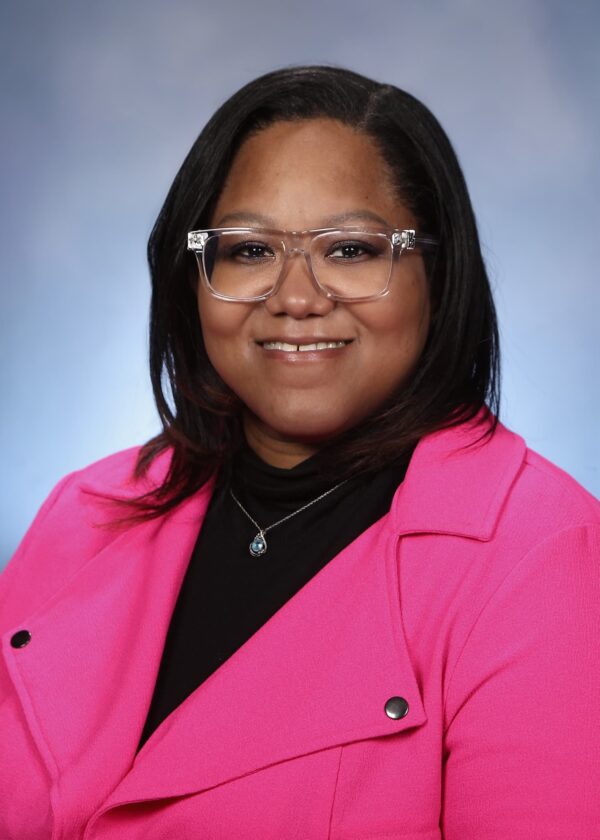
The bill is sponsored by Rep. Kimberly Edwards, D-Eastpointe.
Edwards said that medical assistance in dying is another way for individuals to plan their end-of-life care.
“This legislation helps uphold patient autonomy, allows terminally ill individuals to choose a peaceful death and avoid unbearable suffering,” Edwards said.
It is cosponsored by Reps. Reggie Miller, D-Van Buren Township; Brenda Carter, D-Pontiac; Veronica Paiz, D-Harper Woods; Carrie Rheingans, D-Ann Arbor; and Samantha Steckloff, D-Farmington Hills.
The bill is unlikely to pass the Republican-controlled House. It is pending in the Government Operations Committee.
Michigan News
House bill would let certain patients request help ending their own lives
National traffic death numbers down but Michigan experts worry about driver safety

Workforce development programs expand through community colleges

State struggles with shortage of special ed teachers

MDHHS and MDARD urge residents to avoid mosquito and tick bites during flood cleanup