Huron Pines AmeriCorps members survey frogbit in Sanctuary
On May 22, a fleet of a dozen Huron Pines AmeriCorps members took to the Alpena Wildlife Sanctuary by kayak for training on how to identify and locate European frogbit, an aquatic invasive plant species.
Left untreated, European frogbit can quickly form dense mats on the water’s surface, choking out native vegetation and obstructing the movement of waterfowl, fish and paddle craft. Regular frogbit removal by volunteers has helped keep it in check within the sanctuary, and the training provided to Huron Pines AmeriCorps members will help locate and control infestations in the communities they serve across Michigan.
Saturday’s training and frogbit survey precedes an experimental effort later this summer by Loyola University to remove narrow-leaf cattails within the wildlife sanctuary. These invasive cattails offer the ideal habitat for frogbit populations to become established, and removing the cattails may be another solution to treating frogbit infestations.
To help prevent the further spread of aquatic invasive species, boaters should clean, drain and dry their watercraft after each use.
The Huron Coastal Invasive Species Network is made of conservation groups, landowners, and state and federal agencies that seek to restore native habitat through invasive species education, prevention and management. The Huron Coastal ISN is led by Huron Pines with support from the Michigan Invasive Species Grant Program (Michigan.gov/Invasives).
-
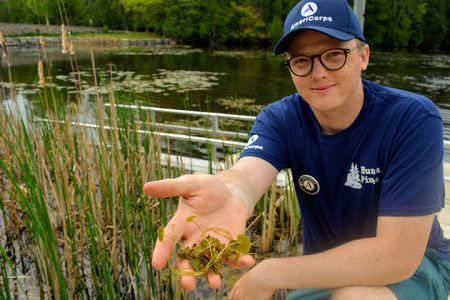
- Courtesy Photos by Chris Engle Above, Huron Pines AmeriCorps member Nick Theisen holds young European frog-bit plants in his hand. He and about a dozen of his AmeriCorps colleagues surveyed the Alpena Wildlife Sanctuary May 22 to locate these plants ahead of a planned removal effort later this summer.
-
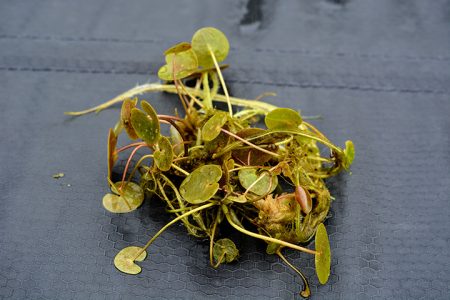
- Here is a cluster of European frogbbit, which is visible on the water’s surface. These quarter-sized leaves form dense mats on the water’s surface, severely impacting wildlife habitat.
-
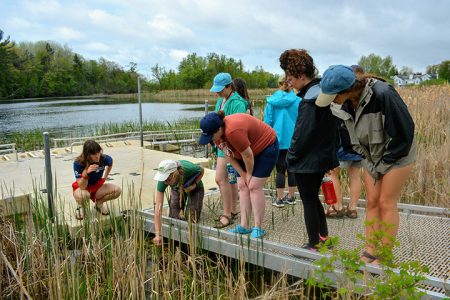
- Huron Pines AmeriCorps members look at a patch of European frogbit growing at the kayak launch at Alpena Wildlife Sanctuary.
-
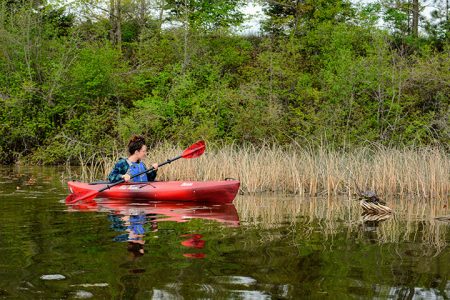
- Huron Pines AmeriCorps member Madeleine Khuri, serving the U.S. Forest Service in Mio, paddles the Alpena Wildlife Sanctuary in search of invasive European frogbit. Training received May 22 will help members identify the nonnative plant and its habitat in the communities they serve, offering some early warning of infestations.
-
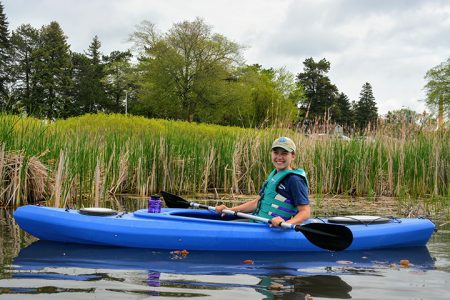
- Molly Fava, a Huron Pines AmeriCorps member serving Michigan Natural Features Inventory in Lansing, paddles the Alpena Wildlife Sanctuary in search of invasive European frogbit.
Lifestyles
Cookie decorating at Alpena Free Methodist Church
The Alpena Free Methodist Church, located in Alpena, invites the community to participate in a Christmas cookie ...

A peaceful morning in the woods
Blue Christmas Service at the First Presbyterian Church
The Blue Christmas Service at the First Presbyterian Church of Alpena, located on the corner of U.S.-23 and Long ...
Aid by the Dozen celebrates Christmas
The Aid by the Dozen held its Christmas party at the 19th hole on Wednesday and Kay Ross served as hostess. The ...
A trip back in time to the Holylands at Christmas