Asparagus an aphrodisiac, among other historical uses
“Half the stuff you hear about asparagus is a load of garden manure!” — Greg Henry, SiPPity Sup Blog
Asparagus shares the marketplace with rhubarb as an early spring vegetable, but without an identity issue – being known as an aphrodisiac meant opportunities to consume were sought after — not ignored. In addition to enhanced romantics, an aromatic reminder that you’ve eaten asparagus will wrinkle your nose when you tinkle. The flavor of asparagus varies with freshness — thick spears freshly picked are subtle while the thin crunchy ones available in the off season have a woodsy taste. Some find eating asparagus is what they imagine ‘grazing on grass’ is like and enjoyment must be acquired.
Greeks identified asparagus with the goddess Aphrodite and Romans’ Venus, deities of fertility, beauty, love, prosperity, and victory. Fritz Martin Engel, German naturalist and author has linked asparagus to pharaohs, emperors, kings, queens, generals, and spiritual leaders — Queen Nefertiti (1370-1330 BC) was depicted in an Egyptian frieze with a bundle of asparagus.
The plant originates from the eastern Mediterranean and has been used for thousands of years primarily by the ruling class with local market distribution in the 18th century. The vegetable’s name comes from the Greek word ‘asparagos’ meaning sprout or shoot. The spears are predominantly green, occasionally purple — Europeans favor white asparagus, grown so as not to see the light of day.
The asparagus can grow at the rate of a half inch per hour. Asparagus is high in fiber and has nutrients that includes vitamins A, B6, C, E, and K with minerals of iron, potassium, and folic acid. It is second to oysters on many lists for being an effective aphrodisiac.
“Asparagus transforms my chamber pot into a flask of perfume.” — Marcel Proust, novelist
Fresh asparagus is 94% water, making it low in calories but increasing the need to pee — it is a diuretic. Unique to the vegetable is asparagusic acid that when metabolized produces urine with the pungent odor of ammonia and sulfur, that some but not all can smell. Lorelei Mucci, an epidemiologist at Harvard University, did a survey of 7,000 people that 40% noticed the odor, 4,161 who couldn’t, resulting in the discovery of 871 gene alterations that blunted the ability to smell asparagus pee.
At the border line of Oceana County, Mich., is a sign proclaiming it the “Asparagus Capital of the World.” This weekend will mark the 46th anniversary of the National Asparagus Festival in Hart. Michigan is second to California in asparagus production. Asparagus acreage is about a third of what it was 15 years ago due to increased imports from Mexico, Chili, and Peru.
Asparagus is versatile and can be prepared several ways, stir fried, roasted, grilled, and most frequently steamed. Enjoy asparagus at its best, fresh from a local farmers’ market.
“I have a few insights to share. My belief is that you should celebrate the season by eating fresh asparagus three times a day. It will taste even better, if during the off season, you simply lust for it.” — Lee Jones, asparagus farmer
Tom Brindley grew up in Iowa, and studied journalism and accounting. He is a retired controller from Alpena Community College and has been active in local nonprofit organizations. He can be reached at bindletom@hotmail.com. Read him in The Alpena News the first and fifth Thursday of each month.
Lifestyles
Alpena Blues Coalition will host fundraiser
The Alpena Blues Coalition will host a fundraiser on May 30 at the Alpena Eagles Club 1960 in Alpena. Doors will ...
Huron Pines upcoming events
Huron Pines has events booked that nature enthusiasts and environmental stewards can take advantage of through the ...
Alpena library closed on Monday
ALPENA - The Alpena County George N. Fletcher Public Library will be closed on Monday, May 25th, 2026, in ...

Alcona announces 2026 Distinguished Alumni Award recipient
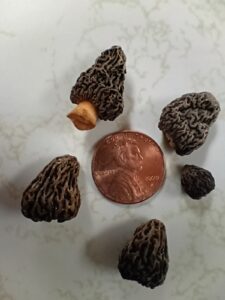
Mushroom season