Aging is inevitable, becoming weak is not
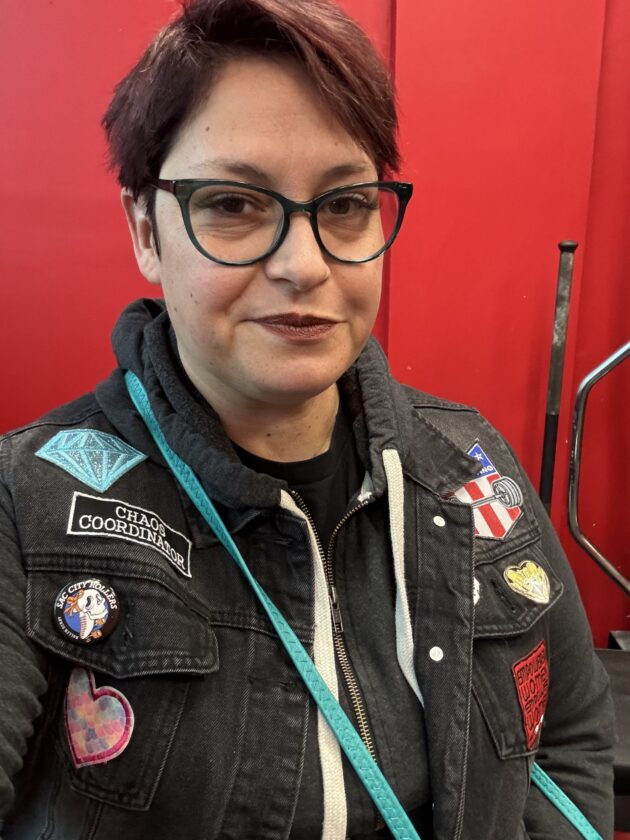
Johnson
When Alpena was founded, strength wasn’t a hobby. It was a necessity.
Loggers cut the timber that built America. Fishermen worked the waters of Thunder Bay. Sailors navigated the dangers of Shipwreck Alley. Families rebuilt after devastating fires. Cement workers helped construct the infrastructure that still serves us today.
The men and women who built Alpena understood something we are rediscovering through modern science: strength matters. The difference today is that many of us no longer need strength to make a living. However, we need it to maintain our independence, our health, and our quality of life.
For decades, we’ve been told that cardiovascular exercise was the gold standard of fitness. Walk more. Run more. Burn more calories. While cardiovascular health is undoubtedly important, a growing body of research is pointing us toward another powerful predictor of long-term health and independence: muscle.
I’ve said it before, and I will say it until I am blue in the face, maintaining muscle may be one of the closest things we have to a fountain of youth.
That may sound like a bold statement, but the science continues to support it. A study published in the British Journal of Sports Medicine followed more than 80,000 adults and found that those who participated in muscle-strengthening activities just one to two times per week experienced a 23% lower risk of death from all causes, a 31% lower risk of cancer-related death, and a 29% lower risk of cardiovascular death.
Those numbers are impressive, but the benefits of strength training become even more meaningful when we consider what they look like in everyday life.
Most people associate aging with wrinkles, gray hair, or slowing down. What often goes unnoticed is the gradual loss of muscle that begins much earlier than many realize. Adults lose approximately 3 to 8 percent of their muscle mass per decade after age 35, and that loss accelerates after age 60 unless you are actively fighting against it.
Muscle loss is not simply about becoming weaker. It affects balance, mobility, stability, and overall quality of life. It influences our ability to climb stairs, carry groceries, get up from the floor, enjoy vacations, keep up with grandchildren, and continue living independently.
Perhaps most importantly, maintaining muscle helps reduce the risk of falls, one of the leading causes of injury among older adults. Strong muscles support strong bones, improve balance, and help protect against fractures when falls do occur.
The encouraging news is that we are not powerless against these changes.
Research published in Osteoporosis International has demonstrated that progressive strength training can slow, stop, and even reverse bone loss while increasing bone density in post-menopausal women. In other words, many of the physical declines we often associate with aging can be improved through consistent strength training.
As a fitness professional, the single most important piece of advice I give adults over the age of 35 is simple: learn how to strength train.
Unfortunately, many people are intimidated by the idea. They picture lifting extremely heavy weights, complicated gym equipment, or workouts designed for competitive athletes. In reality, effective strength training is much simpler.
Strength training is not about proving how strong you are. It is about becoming stronger than you were yesterday.
The most successful programs are gradual and progressive, allowing the body to adapt safely over time. Many people begin with nothing more than bodyweight exercises before ever touching a dumbbell.
The key is not how much weight you lift. The key is lifting consistently.
For those who feel uncertain about where to begin, working with a qualified coach can provide valuable guidance. A well-designed program takes into account an individual’s goals, abilities, and limitations. Whether the objective is improving balance, reducing pain, increasing mobility, maintaining independence, or simply feeling more energetic, personalized instruction can help people reach those goals safely and effectively.
Equally important is finding a supportive community.
One of the most overlooked benefits of exercise is the connection it creates. Whether through a small group class, a training partner, or a local fitness program, people are more likely to remain active when they feel supported and encouraged. Friendships formed through exercise often become just as valuable as the physical improvements themselves.
At its core, strength training is not about building bigger muscles. It is about building a better future.
We cannot stop the aging process, but we can influence how we age. Every workout is an investment in the person we hope to be years from now. Every strength-training session is a step toward greater independence, resilience, and vitality.
Aging is inevitable.
Becoming weak is not.
If there is one health habit worth embracing, regardless of age, it is strength training. The benefits extend far beyond the gym. They reach into every aspect of life, helping us continue to do the things we love, with the people we love, for as long as possible.
In a community like Alpena, where people value independence, strength training is more than just exercise; it’s an investment in the quality of your years ahead. My own personal goal? To be able to jump off a pontoon boat in my 80s and be able to pull myself back onto the boat unassisted. It might seem lofty, but that’s why I’m starting now.
You are never too old, and never too far gone to strength train. You just need to be brave enough to do the hardest part, get started.
Editorials and columns
We all stand to lose in Hegseth’s war on diversity
In days of yore, adrift on waves of Chianti
It's summer, the season of vacations, therefore the season of air travel and the season of people getting kicked ...

The temporary immigration program that’s been forever

Will China ever be held accountable for COVID-19?
The background that made the revolution possible