Wildfire smoke prompts health precautions, MyMichigan Health

Courtesy art
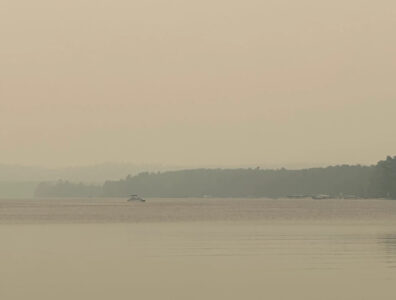
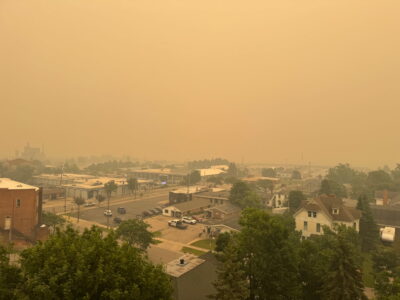
MICHIGAN – Wildfire smoke from across North America can significantly impact air quality, even hundreds of miles away in Michigan, according to a MyMichigan Health press release on Wednesday.
MyMichigan Health stated that during these events, residents may notice a hazy sky, the smell of smoke, or even ash in the air. As smoke travels into the region, the Air Quality Index (AQI), a tool used by the U.S. Environmental Protection Agency (EPA) to measure air pollution, can reach unhealthy levels.
According to Paul Berg, chief medical officer and senior vice president at MyMichigan Health, understanding the health risks associated with poor air quality is important, especially for those with underlying medical conditions.
“Poor air quality doesn’t just affect people with chronic lung disease,” Berg said in the release. “When air quality reaches unhealthy levels, everyone can experience health effects, although children, older adults, pregnant women, and individuals with heart or lung disease are at greater risk.”
For people living with asthma, chronic obstructive pulmonary disease (COPD) or other respiratory illnesses, exposure to wildfire smoke can trigger coughing, wheezing, shortness of breath, and flare-ups that make these conditions more difficult to manage, according to MyMichigan Health.
Even healthy individuals can experience irritation of the eyes, nose and throat, coughing or difficulty breathing when air quality is very unhealthy, the release stated. Exposure to elevated levels of air pollution may also increase the risk of cardiovascular events, including heart attacks and strokes, particularly among people with existing heart disease. Long-term or repeated exposure may also affect lung development in children and adolescents.
Berg encouraged residents to take precautions when air quality deteriorates by limiting time outdoors, especially during strenuous physical activity. He also recommends keeping windows and outside doors closed to prevent smoke from entering the home and using air conditioning or an air purifier, when available, to improve indoor air quality. When driving, residents should set their vehicle’s ventilation system to recirculate the air inside the vehicle. Those who must spend extended periods outdoors should consider wearing a properly fitted N95 respirator to help reduce exposure to harmful particles in the air.
“Fortunately, periods of poor air quality are often temporary,” Berg said in the release. “By paying attention to air quality reports and taking a few simple precautions, people can reduce their exposure and better protect their health until conditions improve.”
Individuals should seek prompt medical attention if they experience severe shortness of breath, chest pain or tightness, wheezing or worsening symptoms of asthma, COPD or other respiratory conditions, according to MyMichigan Health. Those with chronic lung disease should continue taking prescribed maintenance medications and keep rescue inhalers readily available.
Local News

Montmorency County police update
Air quality alerts issued for northern Michigan as wildfire smoke blankets region
Wildfire smoke arrives, bringing unhealthy air quality to Northeast Michigan
Alpena Marina embraces busy season as Brown Trout festival nears
Target Alpena searches for new executive director
ALPENA — The Target Alpena Board of Directors announced on Wednesday that it is launching a search for its next ...