Public Health Alert: Wildfire smoke affecting air quality in Northeast Michigan
ALPENA — District Health Department No. 4 (DHD4) is urging residents to take precautions as wildfire smoke continues to affect air quality across northern Michigan, according to a DHD4 press release on Thursday.
The Michigan Department of Environment, Great Lakes, and Energy (EGLE) issued an air quality alert for Thursday, according to DHD4. The air quality in Alpena, Cheboygan, Montmorency, and Presque Isle continued to reach levels considered hazardous for everyone due to elevated fine particulate matter (PM 2.5) from ongoing Canadian wildfires.
DHD4 stated that these microscopic smoke particles can travel deep into the lungs and enter the bloodstream, increasing the risk of breathing problems, heart complications, and other health concerns. Children, older adults, pregnant individuals, and people with asthma, COPD, heart disease, or other chronic conditions are at greatest risk.
“Wildfire smoke can affect anyone, even healthy adults,” Chelsea Engle, DHD4 health officer, said in the release. “When air quality reaches unhealthy levels, the best protection is to limit time outdoors, keep indoor air as clean as possible, and pay attention to any new breathing or heart-related symptoms.”
DHD4 cited the following protective actions to keep yourself and your family safe:
– Stay indoors as much as possible when air quality is poor.
– Keep windows and doors closed.
– Use a portable air purifier or a home HVAC filter rated MERV-13 or higher, if available.
– Avoid strenuous outdoor exercise, including running, sports, and heavy yard work.
– Monitor local air quality conditions using reliable tools like the EPA Fire and Smoke Map.
– If you must be outdoors for short periods of time, wear an N95 or P100 respirator marked with “NIOSH.” If N95 or P100 respirators are not available or do not fit well, properly selected KN95 and KF94 respirators also filter particulate matter. Medical or surgical masks are the least effective option and should only be used as a last resort. Cloth, paper masks, and tissues will not filter out wildfire smoke. Do not use masks for children under age two.
“Conditions can change quickly depending on wind and weather patterns,” Dr. Joshua Meyerson, DHD4 medical director, said in the release. “We encourage residents to regularly check air quality levels and adjust their activities accordingly to reduce health risks.”
Air Quality Index (PM 2.5) overview:
– Moderate (51-100): Acceptable for most, but unusually sensitive people may experience symptoms.
– Unhealthy for Sensitive Groups (101-150): Sensitive individuals should limit outdoor exertion.
– Unhealthy (151-200): Everyone should reduce or limit long outdoor activities.
– Very Unhealthy (201-300): All individuals should avoid outdoor activity; sensitive groups should stay indoors.
– Hazardous (301-500): Everyone should remain indoors and avoid physical activity outside.
Local News
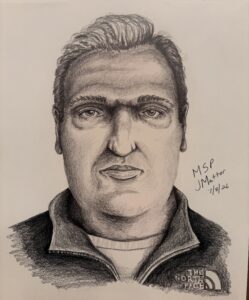
State police requesting public assistance identifying deceased male
Alpena High School Class reunion, 1976
The Alpena High School graduating class of 1976 will host its reunion on Friday, Aug. 14 and Saturday, Aug. 15. ...
Prentiss street closure
ALPENA — On Friday, Prentiss Street, between State Avenue and Harbor Drive, will be closed to all traffic. ...

Michigan representatives request action from Canadian government
Rep. Cavitt statement on Line 5 tunnel permit approval