
Dry summer dips inland lake levels
Trending
ALPENA -- The hot and dry weather conditions haven't just caused people's yards to turn brown, they've also had an impact on the water levels in lakes in Northeast Michigan.
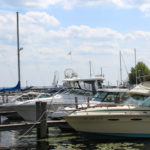
Although Lake Huron's levels are on par with past years, the smaller, inland lakes, like Long Lake and Grand Lake, have lost so much water it has become an inconvenience for people who have boats and other watercraft.
According to Alpena County Drain Commissioner Gerald Fournier, who is in charge of water regulation and dam operations on Long Lake, the April snowstorm in the area created a situation where water levels were abnormally high when the ice thawed. As summer progressed, however, that reversed and now water levels are about 12 inches lower than normal year at this time.
"We had three gates open in May and the water was running a good eight inches or so over them," Fournier said. "We have had little rain since then and there has been a lot of evaporation, so now we have all the gates closed and the waterline is about a foot below them."
Fournier said people who own boats and cottages have had to adjust to the lower water levels. He said people have had to add extensions to their docks and move their hoists out further into the water. Some people have been forced to push their boats out to deeper water by hand before starting their motors, while others need to trailer their watercraft and use public boat launches.
The conditions are similar in Grand Lake.
Recently, Presque Isle County Road Commission Manager Jerry Smigelski issued a news release that explained to residents how the road commission monitors and adjusts water levels. He said any rumors that the water levels are being lowered on purpose is untrue.
Smigelski explained that the legal level for Grand Lake was established in 1953 and is 594 feet above sea level year-round, but limits were not established for summer or winter, when water levels can fluctuate. The road commission is allowed to tweak levels as much as three inches when levels get higher or lower than the mandated levels.
This year, the water levels were monitored daily. During the summer, however, it is being measured biweekly. Smigelski said that on March 14 there were six of the nine planks in the dam at Grand Lake and the water levels were at the required level. Then the snow storm and subsequent thaw happened and the depth jumped to 13 inches higher than it should be. On June 3, all the boards were installed to hold the water in the lake and the water was still two inches above normal. That changed in a big way in the following weeks.
"Due to the lack of rainfall this summer, the level of Grand Lake is seven to eight inches below the legal level as of mid-August," Smigelski said in his news release. "The rumors that the road commission is lowering the level of the lake to replace the three large culverts on East 638 Highway are false."
How the lake levels rebound will depend on the amount of rain and snowfall the area receives between now and spring and the amount of ice that covers the lakes during the winter. A new report by National Oceanic and Atmospheric Administration says there is a 70 percent chance that warm ocean temperatures could cause an El Nino to form. If that phenomenon happens, NOAA says it would likely lead to a dryer and warmer winter in Northern Michigan this year.
The News was unable by Friday night to reach the Alcona County Road Commission, which regulates Hubbard Lake's water levels.
Steve Schulwitz can be reached at sschulwitz@thealpenanews.com or 989-358-5689. Follow Steve on Twitter @ss_alpenanews.