A quirky exercise with great power: Writing your own obit
Regarding the Journey
Writing is a cathartic process for me. It is a safe space to unload, explore, and add perspective to a life moment. I actively look for different creative writing assignments to stretch myself and my skill. In that practice, I stumbled upon a wonderful writing experience — write your own obituary. So, I did.
If you’ve never crafted one for yourself, it’s an interesting undertaking (pun intended). It helps us to identify what it is about our life we want to be remembered for most — what is important. Many of us want some sort of legacy. It’s not that we need monuments made in our name, but we’d like to know that our life had meaning and purpose. If others benefit from our existence, that might round out one’s life experiences nicely.
If I had feelings post-death, I would be saddened and embarrassed if the days I had on earth with other people were not spent making their lives nicer. I am not an altruist. There are things I do purely for enjoyment and without regard for how other people feel about them. For some people, their volunteerism might be what is most important and what they would like to be remembered for after they’ve departed this planet. In the end, what’s important to put in an obituary? Well, that can be entirely up to you.
Death is a tough topic for many people. One’s mortality isn’t, perhaps shouldn’t be, a regular thought process that rotates through our consciousness. The birth of my children marked my first experience with the realization that I will die someday. Having another life to care for, that is when it really hit me that I’m a mere mortal. Not many 20-something-year-olds and younger feel the sting of mortality. But once you’re responsible for another life, your own life becomes that much more fragile.
As you get to your 50s, you are again brought face-to-face with the length of life you have left. It is in midlife that a typical adult really starts to consider, and perhaps plan for, retirement from the workforce. As the process of retirement sinks in, the realization that half of your life has likely been lived becomes clear.
As our bodies age, the thought of dying enters our thoughts again. Illness and accidents in life can speed up this natural process. Though most of us take a break from thoughts of death in midlife.
Writing your own obituary isn’t simply about getting the facts straight. This quirky little exercise can help those lost in life recenter. Don’t think of it as a tempting fate. Writing a memorialized summary of your life brings into focus where you are in life. It might help you to see how you got to this place in time and serve as a catalyst to put you on a path you envisioned for your life but never quite realized.
Your obituary isn’t just about you. People read these short stories as a way of staying informed. These little snippets connect us with one another. They help us see a person more clearly and can act as a tool for connecting people. Some obituaries can heighten awareness of societal shortcomings, such as mental health prejudices and racism, igniting us to be more vigilant in combating misnomers and creating a more accepting world.
So, leave a guide for your surviving loved ones. Don’t add pressure to their world by making them come up with the right words to capture the essence of you. There is little time to breathe and take care of all the necessary tasks when mourning the loss of a treasured friend or family member. Ignoring the fact that you will die will not make it go away. By having your affairs in order, you have, in essence, given others the gift of grieving without the stress of the arrangements.
Try not to bury your head in the sand to this one simple fact each person must face. Rather, face it head-on and let it be your ally. Take stock of your life throughout this journey. For this is the only way we can be sure we are living the life we want.
As Chuck Palahniuk, who wrote “Fight Club,” said, “We all die. The goal isn’t to live forever, the goal is to create something that will.”
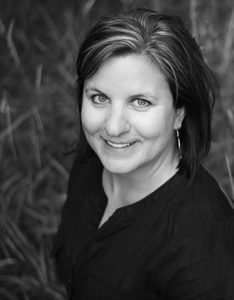
Lesslee Dort is a board-certified patient advocate who firmly believes knowledge is power when it comes to being in control of one’s health. She spends her days helping others navigate their health care and her free time exploring. Reach her at lesslee@friendstogethermi.org. Read her here the third Thursday of each month.
Editorials and columns

How Will Congress Choose to Handle the Iran Bill?
Let’s Kill Cancer
There are few things in life more terrifying than a cancer diagnosis, as any victim of this horrible disease ...
Disappointed in humanity, again
What is ‘good’ about Good Friday
Christians describe the day an innocent man was violently executed as "Good." Unless you know the whole story, it ...
Let’s kill cancer
There are few things in life more terrifying than a cancer diagnosis, as any victim of this horrible disease will ...