Sheila Dunleavy Mund: Dual citizenship and medicare changes

Kathy Pelleran-Mahoney
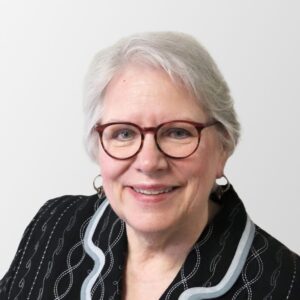
With the high holy day of the Irish around the corner, it seemed fitting to share the story of my friend, Sheila Dunleavy Mund, an American with proud roots in County Mayo, Ireland. Sheila represents many who cherish their heritage while fully engaging in American society. The following shares her journey to secure dual citizenship–a celebration of her ancestry–and how it unexpectedly spiraled into a bureaucratic ordeal, placing her access to essential healthcare benefits at risk.
Embracing heritage and dual citizenship
Inducted into the Michigan Irish Hall of Fame, Sheila drew inspiration from her family’s Irish legacy. Pursuing and receiving Irish citizenship through descent was deeply meaningful–a way to honor her lineage and connect more closely with her heritage. Dual nationality allowed Sheila to celebrate her roots while continuing her life in the United States, a right protected under U.S. law for American-born citizens.
However, this milestone would soon intersect with the complexities of administrative systems, setting the stage for unforeseen challenges.
Supplemental medicare termination: A bureaucratic nightmare
The joy of dual citizenship was quickly overshadowed when Sheila received notice that her supplemental Medicare insurance would be terminated. Having contributed to the system throughout her fifty-year career in education–including recognition in the Michigan Speech Coach’s Hall of Fame–she was told she needed to provide proof of her U.S. birth, despite dual citizenship being permitted and common in the United States.
Initially dismissing the termination letters as a possible scam due to her long-standing coverage, Sheila soon realized the seriousness of the situation when official notifications persisted. The prospect of losing her supplemental health insurance created anxiety and vulnerability, prompting her to quickly mobilize.
Notices began arriving in September, not long after she gained dual citizenship. Since no colleagues received similar letters, Sheila doubted their legitimacy and ignored them–until panic set in as the warnings continued.
On November 1, 2025, both Blue Cross Blue Shield and the Public School Employees’ Retirement System informed Sheila that her insurance would end on November 30. Realizing the urgency, she acted decisively–using online resources to complete paperwork, submitting her original birth certificate, and confirming receipt. Despite verifying everything, the bureaucratic process dragged on, culminating in another cancellation threat. As the Thanksgiving deadline of November 23, 2025, approached, online submission was blocked, leading Sheila to attempt faxing the documents, which failed, and ultimately resorting to overnighting them via the U.S. Postal Service at her own expense. Even after submitting all required documents and receiving confirmation, she was told her insurance had been cancelled. After numerous attempts to reach the insurance company, she was finally notified on December 8, 2025, that her policy was reinstated. Though the ordeal was exhausting, Sheila’s persistence prevailed.
Having navigated the immediate crisis, Sheila began to reflect on the broader implications for others in similar situations.
Perseverance and advocacy
Despite mounting challenges, Sheila’s determination never faltered. Her education and computer literacy helped her navigate complex paperwork and digital procedures, ultimately resulting in the reinstatement of her supplemental insurance. Yet, the ordeal left her questioning the process and worrying about others who might not have the same resources or skills.
Sheila reflected on the barriers created by technology and bureaucracy for those without computer access or proficiency, asking herself: How would someone without her resources resolve such a complicated issue? How would people respond if they were unaware of why their benefits were disrupted?
These questions prompted her to consider the systemic challenges faced by many navigating government and insurance systems.
Legal and policy complexities
Sheila’s experience sheds light on the complex legal and policy environment confronting Americans who choose dual citizenship. Although U.S. law permits dual citizenship, administrative errors and outdated records can lead to mistaken determinations about a person’s status, interrupting crucial services like supplemental Medicare insurance.
It was profoundly disturbing for Sheila to be told she was “not a U.S. citizen” after a lifetime of living and contributing in the United States. The uncertainty around her eligibility for medications, checkups, and urgent care deepened her anxiety and underscored the need for clarity in the system.
As Sheila’s situation stabilized, she became more committed to advocating for clearer policies and better communication to protect others.
Resolution and lessons learned
Sheila Dunleavy Mund’s journey highlights the personal and systemic challenges that can arise where heritage and bureaucracy meet. Her story is a powerful reminder of the need for timely advocacy, vigilance, and clear communication when navigating the complexities of citizenship, identity, and federal benefits. Individuals encountering similar challenges are urged to keep detailed records, respond promptly to correspondence, and seek assistance from insurance providers, advocacy groups, or lawmakers to protect their benefits and citizenship status. Her story is also a flag to lawmakers that ongoing oversight and investigation are essential to prevent such situations in the future.
Editorials and columns
The disgraceful ravings of Candace Owens
Joe McCarthy was famously undone by the rhetorical questions at a 1954 congressional hearing: "Have you no sense of ...
Sheila Dunleavy Mund: Dual citizenship and medicare changes

The disgraceful ravings of Candace Owens

No business succeeds alone and that’s why mentorship matters

The big lie