
March Madness
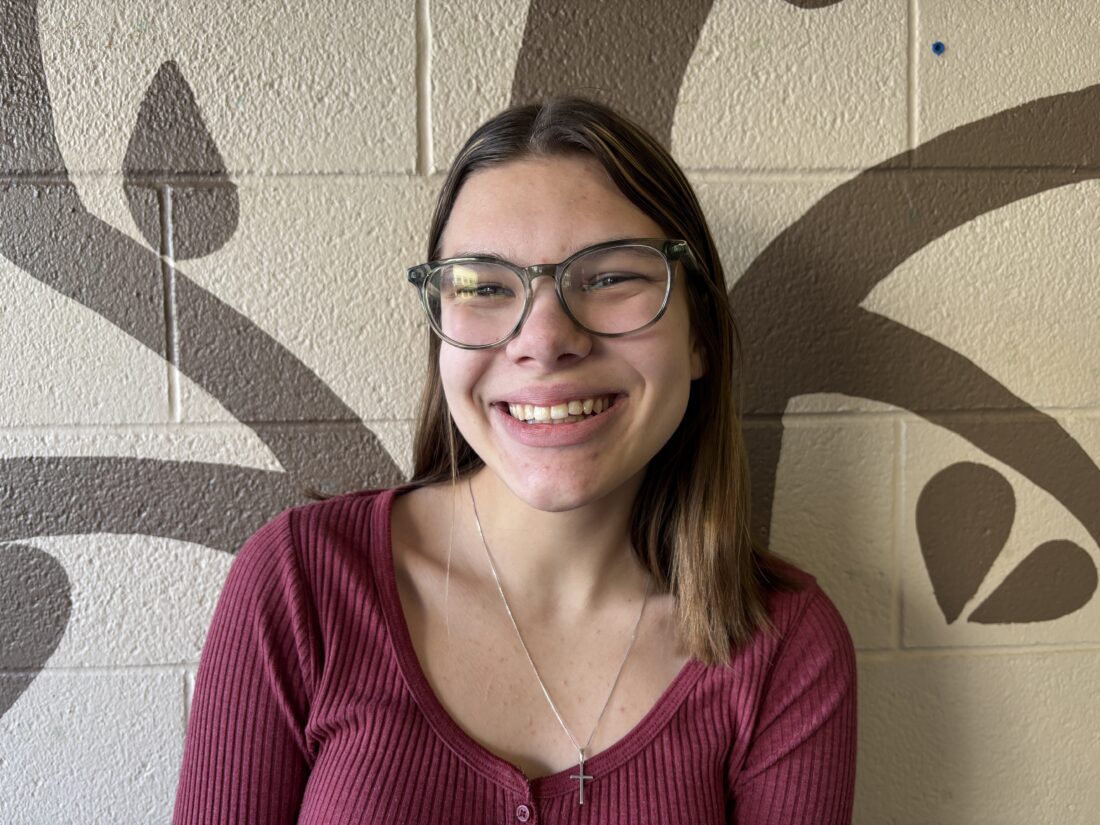
Addison Wesaw
Each March, classrooms across the country fill with excitement as students celebrate Reading Month.
Hallways are decorated with book characters, teachers plan themed activities, and students are encouraged to pick up a book and read. It’s a time meant to spark a love of reading, and for many, it does. But beyond the celebrations, it should also serve as a reminder that while some students are discovering a love for reading, others are still trying to find their footing.
Literacy is often thought of as just another academic skill, something measured by tests and report cards. In reality, it is much more than that. The ability to read shapes every part of a student’s education. When a child struggles to read, they don’t just fall behind in English; they can struggle in science, history, and even math. Over time, those gaps grow wider, affecting confidence, participation, and future opportunities. According to the Alpena News Article from September of 2025, “In English Language Arts, 31.9% of third graders, 40.9% of fourth graders, 42.7% of fifth graders, 31.2% of sixth graders, and 28.9% of seventh graders were proficient.”
In Alpena alone, 57% of the district is below reading level. As a nation, only 33% of students are at or above grade level. This shows us that this is not just an Alpena issue; this issue affects every student, classroom, family, and district in the United States.
The impact of literacy doesn’t stop at graduation. A strong reader is better prepared for the workforce, more confident navigating everyday tasks, and more equipped to engage with the world around them. Reading allows people to understand information, think critically, and make informed decisions. In that way, literacy doesn’t just shape individual success; it also shapes a community’s strength.
In a place like Alpena, our schools play a central role in preparing students for the future. Teachers work every day to meet students where they are, often going above and beyond to support those who need extra help. But, one of the most powerful influences on a child’s reading success doesn’t happen in the classroom, it happens at home.
When time is taken to read with children at home, even for just a few minutes each day, it can make a lasting difference. Reading together builds vocabulary, strengthens comprehension, and helps children develop confidence in their abilities. It also creates something just as important: connection. For younger children, it shows that reading is enjoyable. For older students, it reinforces that learning matters beyond school.
You don’t need to be a teacher to make an impact. Asking questions about a story, listening to your child read, or simply making reading part of a daily routine can help turn a struggling reader into a confident one.
In Alpena, there are mini libraries around town. Recently, the Alpena FCCLA chapter noticed that most of the books in their collection were not at an appropriate level for most children. To help solve the issue, they held a book drive. While the drive concluded in late February, they are still accepting donations and are hoping to collect board (baby) books through teen books. They are asking for preferably no young adult/ adult books. If you have any gently used books that you would like to donate, there are two drop- off sights being: Alpena High School and St. Anne’s Catholic Church/ All Saints Parish. The group plans to replenish the libraries over the school’s spring break.
Improving literacy is not a challenge that schools can solve alone. It takes a community effort, supporting teachers, encouraging students, and making reading a priority at home. When a child learns to read, they don’t just gain knowledge; they gain independence, confidence, and a future. Sometimes, it starts with something as simple as sitting down and reading together.
Editorials and columns

The gender gap on Iran

We can’t protect what we don’t understand: The case of eastern golden eagles
March Madness

Checklist Christianity
The shadow war against President Trump
The joint American-Israeli military operation against the Iranian regime is now three weeks old, but there is ...
