
Full funding for special education is a promise that must be kept
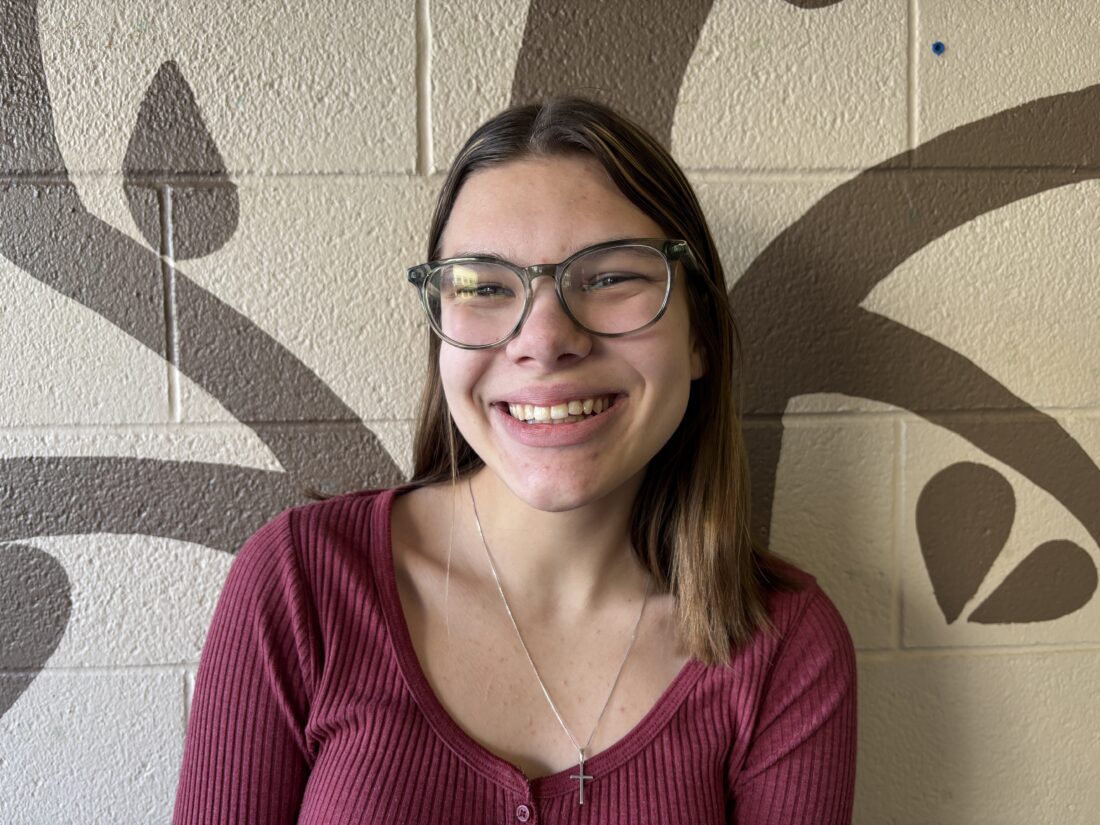
Addison Wesaw
My name is Addison Wesaw, and I am a senior at Alpena High School. I hope to become a special education teacher once I graduate. Some issues leave me and many others with questions about the special education funding in Michigan. I have firsthand experience with gaps and inequities in the special education system, and I am writing this to advocate for better and stronger support of students with disabilities through increased federal funding of the Individuals with Disabilities Education Act (IDEA).
Special education is not an optional program or an added benefit. It is a federally protected right for students with disabilities. When funding falls short, districts are still legally required to provide services, leaving schools to shoulder costs they were never meant to absorb alone.
When IDEA was initially passed in 1975, the federal government promised to cover 40% of the excess cost of educating students with disabilities. Excess costs include therapists (speech, physical, occupational), assistive technology (such as communication devices and ramps), evaluation/screening fees, and medical expenses.
These services are not luxuries; they are essential tools that allow students with disabilities to access their education. Without them, students are unable to participate fully in classrooms, fall behind academically, and face barriers that their peers do not.
If special education were fully funded in Michigan, it would cost $5.2 billion per year. Currently Michgian receives $410 million from the federal government for special education, and the state pays $2.5 billion. Leaving the individual districts to come up with the rest. Melissa Cook at Alpena – Montmorency-Alcona Educational Service District (AMA ESD) says, “For the 2025-26 fiscal year, the ESD will receive just under $1.6 million in IDEA funds.” That is less than 15% of the promised 40%. Michigan, as a state, is shorted over $1.7 billion annually in IDEA funds. With 83 counties in Michigan, if 40% (roughly $2.1 billion) were split equally, each county would get over $25 million annually for special education alone. This gap highlights how far the federal government has fallen from its original commitment and how deeply local districts are affected by that failure.
Underfunding forces districts to pull money from their general education budgets to provide services for their students with disabilities. This reduces resources for all students, general and special education alike. The pull from the general budget places strain on all educators and support staff, but also impacts general education classrooms with larger class sizes, fewer programs, and limited supplies.
Not only does this underfunding affect the school system, but it also affects the families of those students. Many students with disabilities require additional support, such as added doctor’s visits, therapy consultations, and some even have to make adaptations to their homes to better support their children. 41% of families with students with special needs make less than $100,000 a year. “Raising a child with special needs often involves significant financial strain, with costs estimated to be four times higher than those for a typically developing child, potentially exceeding $2 million over a lifetime. Families frequently face a combination of high direct, out-of-pocket expenses and indirect costs, such as reduced income.” (U.S. Bank). Families should not be forced to choose between their financial stability and their child’s access to appropriate care and education.
This lack of funding also negatively impacts the students who need it the most. In many districts, Special Education Teachers are severely underpaid and understaffed. This leads to many underqualified special education teachers or teachers with emergency certifications. The shortage of qualified special education teachers contributes to burnout, high turnover, and inconsistent support for students who rely on routine, stability, and trained professionals.
The lack of qualified teachers leads to the mistreatment of students with disabilities. The District Administration states, “Underqualified special education teachers can significantly hinder student progress, leading to academic learning losses, sometimes up to six months, and poor behavioral outcomes due to inadequate specialized instruction. These teachers may lack expertise in individualized education programs (IEP’s), data collection, and specialized pedagogy, which can cause increased anxiety, reduced engagement, and a lack of necessary support for students with disabilities.”
I have seen this in my own school with teachers who were not properly trained to handle intense situations such as emotional outbursts or physical aggression. Not only does this affect the student in distress, but it also disrupts the classroom environment and the reputation of special education as a whole. Students with disabilities deserve dignity, safety, and qualified educators who understand their needs.
Michigan’s leaders must continue pushing for 40% IDEA funding at the federal level and actively collaborate with Congress and Michigan’s congressional delegation to advance this issue. At the same time, state policies should protect both special education and general education funding so schools are no longer forced to sacrifice one to support the other.
Honoring this commitment would strengthen schools, support educators, and ensure students with disabilities receive the services they are legally guaranteed. Thank you for taking the time to consider the realities facing students, families, and educators across Michigan. Full funding of IDEA is not optional; it is a legal and moral responsibility. More information on IDEA and this cause can be found on both Instagram and Facebook (@change.the.IDEA). This cause started as a project for a competition, and has grown into a passion for advocacy and a call to help address these discrepancies.
Students with disabilities are not a budget problem; they are students, friends, neighbors, classmates, and future contributors to our communities. Michigan cannot continue to compensate for broken federal promises by stretching already-thin school budgets and overburdened families. Full funding of IDEA would not fix everything overnight, but it would be a powerful step toward equity, accountability, and respect for students who have waited far too long.
If we can promise students an education, we can afford to keep that promise.
Editorials and columns
Searching for an efficient dishwasher
Dear Jim: I need to replace my old dishwasher that has few cycles and doesn't clean well. What are the best ...

Chickasaw Park tells a black american story we can’t afford to forget
Full funding for special education is a promise that must be kept

Just touring?

Kevin Rinke is out of sync
