
The classroom or the courtroom? The societal benefits of investing in public education

Kathy Pelleran-Mahoney
Investing in public education stands as one of the most crucial decisions policymakers and communities can make to secure a prosperous and equitable future for its youngest citizens. The benefits of a robust public education system extend far beyond individual achievement; they shape the foundation of society, influence economic outcomes, and guide the values of future generations. This article examines the multifaceted reasons for prioritizing investment in public education, focusing on its economic advantages over incarceration, its role in early childhood development, its influence on lifelong success, and its societal impact. My personal account directing a statewide nonprofit organization led by sheriffs, prosecutors, and police chiefs underscores the urgency of early intervention over correctional approaches.
The financial argument for investing in public education is compelling. In the United States, the annual cost of incarcerating an individual far exceeds the cost of educating a student. According to recent estimates, it costs approximately $35,000 to $40,000 per year to incarcerate one person, while the average annual expenditure per public school student is less than $15,000 (U.S. Department of Education, 2023; Bureau of Justice Statistics, 2023). The annual cost of housing and programming for juvenile offenders in the United States varies by state, facility type, and level of programming. According to the Justice Policy Institute (2009), the average annual cost to house a juvenile in a secure facility ranges from $30,000 to over $200,000 per youth. Comprehensive programming–including education, mental health services, and rehabilitation programs–can further increase these costs. For example, some states report costs exceeding $500 per day per youth, which totals more than $182,500 per year. By redirecting resources from punitive systems to educational opportunities, society can achieve significant long-term savings. Moreover, investments in education reduce the likelihood of future incarceration, further decreasing the financial burden on the justice system (Levin et al., 2007).
Conservative Milton Friedman, a Nobel laureate in economics, emphasized the role of public education in inculcating regime values and fostering social cohesion (Friedman, 1955). He argued that universal education helps transmit the shared values necessary for a stable and functioning democracy. Public education is not merely a means of imparting academic skills but also a vehicle for instilling civic responsibility, critical thinking, and respect for diversity–qualities essential for a healthy society.
Scientific research underscores the importance of early childhood education, particularly from birth to age five, as a decisive period for brain development. During these formative years, up to 95% of social and emotional development occurs, setting the stage for future learning and well-being (Shonkoff & Phillips, 2000). Quality early education programs foster neural connections, emotional regulation, and social skills, which are foundational for later academic achievement and interpersonal relationships. Investments in early childhood education yield the highest return on investment, as they prevent developmental delays and reduce the need for costly interventions later in life (Heckman, 2006).
Early education not only supports brain development but also lays the groundwork for literacy and lifelong learning. Children exposed to rich educational environments from birth are more likely to develop strong reading and language skills, which are critical predictors of academic success (Dickinson & Tabors, 2001). These early experiences influence school readiness, grade-level achievement, and resilience, enabling children to thrive throughout their educational journey.
Education from birth is consistently identified as the strongest predictor of child success. Longitudinal studies reveal that children who participate in high-quality early education programs are more likely to graduate from high school, pursue higher education, secure stable employment, and achieve home ownership (Barnett, 2008; Campbell et al., 2012). These outcomes are not only beneficial for individuals but also contribute to a more productive and prosperous society. The ripple effects include higher earnings, reduced reliance on social welfare, and increased civic engagement.
Successful children who benefit from comprehensive education are less likely to engage in criminal activity, resulting in lower incarceration rates and associated costs (Lochner & Moretti, 2004). Additionally, higher educational attainment leads to increased employment and earnings, which expand the tax base and enable further investments in public goods. By reducing social welfare dependency and promoting economic stability, public education serves as a catalyst for societal advancement.
Investing in public education is a strategic, humane, and cost-effective approach to fostering individual success and societal well-being. By prioritizing educational opportunities–especially in early childhood–policymakers can reduce incarceration rates, strengthen the economy, and promote shared values. The evidence is clear: a commitment to public education yields lasting dividends for individuals and communities alike; it’s a win-win situation. By being champions of public education as the cornerstone of our collective progress, we will build a brighter future for all.
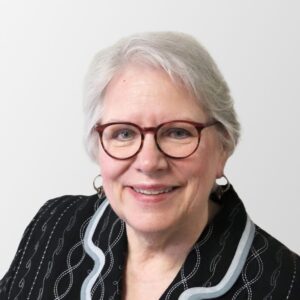
Kathy G. Pelleran-Mahoney, ABD, M.P.A., is a writer and advocate who resides in Montague, Michigan. Her public service career spans five decades, fifteen of which she served as the state director of Council for a Strong America, the parent organization of Fight Crime: Invest in Kids – Michigan, whose law enforcement leaders advocated for public investments in the proven programs that help kids get on the right track to success and opportunity. A native of Alpena, Pelleran-Mahoney was inducted into the Alpena High School Hall of Fame in 2025.
Editorials and columns

How to insult a nurse and other professions

Eyes wide open

Progressions of awareness
This past year was pretty great. Here’s a wish list for 2026
Listening to the usual legacy media suspects, one might think 2025 was an apocalyptic wasteland of sorts -- an ...
The classroom or the courtroom? The societal benefits of investing in public education
