
Stronger, sustained state investments in education are key to student success
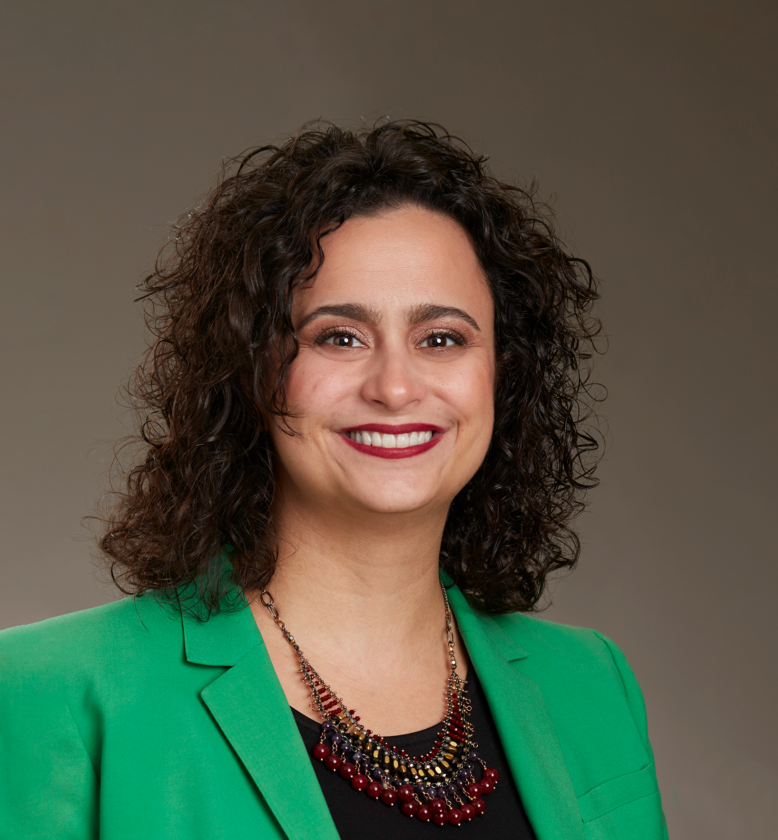
Monique Stanton
A new state budget season has begun and here at the Michigan League for Public Policy, we’e urging the Michigan Legislature to make sure students in our state have the support they need to thrive in their classrooms. That starts with stronger investments in our K-12 education system.
While there have been some major strides in state funding in education in recent years, we can’t ignore the fact that Michigan spent decades underinvesting in our public schools. Recovery has only just begun, especially when we factor in inflation. It’s also important to consider that there are now more restrictions around how school districts can use state funding — and that schools now provide additional, important services outside of general classroom instruction that need continued funding support. Our state’s public education system is also contending with a number of federal threats, including efforts to dismantle the U.S. Department of Education and attacks on schools seeking to defend the rights of students through diversity, equity and inclusion policies.
It’s clearly time for the state to focus on more meaningful, sustained investments that target the unique needs of public school students.
This includes continuing to increase funding through a weighted funding formula for students in rural and isolated districts.
Almost half of Michigan students — nearly 684,500 — are economically disadvantaged. And looking more locally, the majority of students in the Alpena News readership area are economically disadvantaged. In the counties of Alpena, Alcona, Montmorency and Presque Isle, 61.6%, 75.1%, 55.5% and 58.3% of students come from economically disadvantaged backgrounds, respectively. Students who grow up under economic strain are often faced with more adversity and stress, educational resource gaps, and higher rates of health issues, both physically and mentally, meaning they may need more support at school in order to academically thrive. Increasing funding to schools through the Opportunity Index helps these students access what they need.
And when it comes to targeted investments for students with the most need, special education services are also top of mind. Adopting the weighted funding formula as detailed in the new MI Blueprint Project is key to meeting students who qualify for special education services where they are: in their classrooms. The MI Blueprint Project is a new legislative report delivered to members of the Michigan Legislature last October. It highlights the inequity in current special education funding and presents a new funding model that is tied more to each individual student’s needs instead of their ZIP code. The number of special education students from birth to age 26 is on the rise in Michigan, growing from more than 208,500 in 2018 to over 223,000 in 2024, which demonstrates the importance of making smarter investments in this expanding population of learners.
Continuing to increase funding for English-language learners is also essential. Statewide, more than 171,300 children ages 5 to 17 live in a home where a language other than English is spoken, and 22.5% of these children are still striving to speak English fluently. These students are learning a new language while at the same time trying to succeed academically alongside students who already speak English, which creates a double learning curve that requires more tailored support.
The state can also support our K-12 educational system by maintaining investments in student and mental health services, including mental health grants and support for school-based health centers, and investing in effective literacy support, especially considering that roughly only 40% of third-graders were proficient in reading in the state in 2024. Stronger literacy support can be achieved by properly training new and returning teachers, targeting interventions for students at risk of falling behind, and developing curricula based on the science of reading.
With the Consensus Revenue Estimating Conference coming up this Friday — serving as the unofficial kickoff of the fiscal year 2026-2027 state budget season — it’s important that our legislators keep public education at the forefront of their forthcoming budget discussions. The future success of students across Michigan hinges on how lawmakers choose to support them educationally in the coming fiscal year and beyond.
Editorials and columns

The 3 big lies about the Iran War
The political risks of war with Iran

The religious, the secular and the truth

Can You Relate?

Growth is forever project
