
Capturing moments, then and now
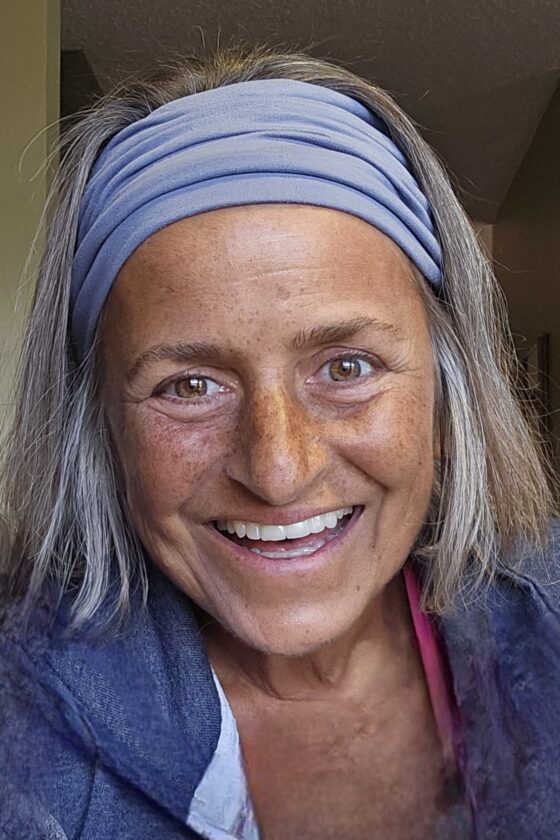
Lesslee Dort
My dad was an enthusiastic amateur photographer -a true shutterbug. As soon as he could afford a camera, he was rarely without one. A camera was among the first items his mother sent him while he served in the Korean War, a quiet testament to how important capturing life was to him.
By the time I was a young girl, my dad had progressed beyond taking photos to developing them himself in a darkroom he built in our basement. To this day, some of my favorite images are ones he took and developed there, coaxing them slowly into being. If memory serves, he stopped developing his own photographs around the time color film became widely available.
It was no surprise that when we sold my parents’ house, we rediscovered stacks of plastic totes filled to the brim with loose photographs. Lifting the lid felt like opening the door to an avalanche of faces, places, and versions of ourselves long forgotten. Locked inside was the musty smell of a trapped history, the crinkle of paper grown rigid and brittle with time. The photos shifted and slid against one another, uncontained, unapologetic.
Rarely did the pictures offer clues – no dates, no locations, no names penciled on the back. Just moments, suspended. What do we do with all these captured fragments, especially when there are more of them than we ever meant to keep?
If you are like me, you gather up every tote and bring them home, telling yourself you’ll sort through them later. Until one day you find yourself in the middle of the avalanche, surrounded by images of an awkward childhood pose, a family gathering you’d forgotten, a poignant wave from a long-lost relative. Each photo stirs something different – nostalgia, joy, grief, curiosity, and sometimes a quiet ache you weren’t prepared for.
If you’ve had a similar experience, you know physical photographs carry a different kind of weight than those viewed on a screen. They demand to be handled, shuffled, accidentally rediscovered. They age as we do.
In our present-day digital world, access to a camera is practically commonplace. What was once a practiced, skilled technique to preserve a moment in time is now barely a thought. We snap pictures almost as often as we blink. For every photograph my dad carefully planned and framed, I likely have a dozen haphazard shot of subjects or events – with many slight variations, none particularly memorable.
The urgency to capture a moment has faded because the opportunity never feels scarce. We can take twenty photos in the time it once took to adjust a lens. I sometimes wonder
whether we’re trying to preserve our history or simply chasing a technically perfect image, stripped of emotional weight.
The last time I checked, my phone held thousands of photos, ranging from the ingredient list on a spice packet to the birth of a grandchild. I’ve taken so many pictures I often can’t remember why I took them. In our effort to document life, we risk forgetting to live it. We remove ourselves from the moments in order to capture them, only to realize later that we weren’t fully present, and therefore have little emotional reference when we see the image again – even weeks later.
I find myself asking: Are we preserving our memories, or drowning in them?
In my experience, physical photos age with us; digital ones remain suspended somewhere in the cloud. Both have their place. Both are fragile and priceless. All are vulnerable to time, technology, and loss.
There has long been a push to organize our photos so they are somehow “more valuable.” From scrapbooks and albums to digitally produced photo books, these tools help us narrate a story. They give order and context. But perhaps a neatly structured telling shouldn’t be the only goal.
There is something quietly beautiful in the messiness of those totes of photos. Their disorder mirrors life itself: unsorted, overlapping, occasionally surprising. The purpose of saving photos isn’t perfection; it’s honoring what has been. Photos allow us to glance, remember, and feel. We don’t need dozens of images trying to perfectly capture a single moment. We need one that revives the story, the feeling.
Maybe it’s enough to choose a few photos to keep close – for now – and let the rest rest.
Editorials and columns
High winds batter water-logged Northwest, injuring 2 children and cutting power to half a million

Whispers and nudges

U.S. Senate fails Michigan families by not extending the ACA tax credits

Capturing moments, then and now
Texas sues utility company to recover damages from historic wildfire sparked by downed power lines
