
AHS team working on new measures to reduce absenteeism
Trending
ALPENA -- The number of Alpena High School students considered chronically absent, that is missing 10% or more days of school, has been high the past several years, particularly since the COVID-19 pandemic.
According to MI School Data, the percentage of chronically absent students at AHS in the 2025-2026 school year was roughly 73%, around 830 students. Prior to 2020, in the 2018-2019 school year, the percent of chronically absent students was 16.6%.
AHS Assistant Principal Eric Mitchell said that number seems high. The number he calculated from last school year was 387 students that missed more than 16 days of school.
"I don't know what is the most accurate number, I think that is one thing that we have figured out this year is, we're still trying to figure out exactly what we are recording," Mitchell said.
Mitchell and a team of AHS staff have put more work this year into tracking attendance, working within the systems they have and finding new approaches.
He said he is confident that they are catching more students this year than they have in the past.
Pre-2020, AHS had an attendance policy where teachers could take away five percent of a student's grade per day missed over 10 days in a semester. The state changed the law and that kind of policy is no longer allowed.
"Which makes sense, but our attendance policy really no longer has teeth," Mitchell said.
"Our school is not alone," he said. "Attendance nationwide has been horrific post COVID."
Mitchell along with Dean of Students Lindsay Sheppard, At Risk Student Liaison Will Rings, and NEMCSA Behavior Tech Alison DeRocher, are all part of a team working to increase attendance rates at AHS.
Sheppard said that they have started sending out letters to students and their parents once they've missed five days of school. In previous years, they sent the first letter at 12 days. If a student misses 16 days, they are considered chronically absent. Chronically absent includes both excused and unexcused absences. A student would be considered truant if they have 10 or more unexcused absences.
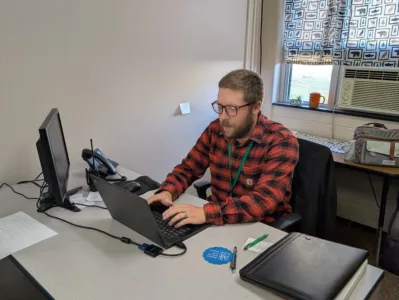
Mitchell said that Sheppard and Rings have daily been going through attendance sheets and checking who is at school and who is not, and for what reasons.
"The fact that we have a pretty good pin on just about every attendance issue right now, we are months ahead, compared to where we've been in the past," Mitchell said.
They also have a system that automatically flags kids who are at risk based on attendance patterns, grades, and discipline. It helps them know which kids need extra help and where resources need to go.
"We know attendance hasn't been where we would like it to be these past couple of years," Sheppard said. "So we have just been taking some steps to get kids here so that they can get an education. Some of those steps have been looking at our system of support for kids."
Sheppard said what she and the team want to know is why the student is not coming to school and if there is anything that can be done to support them and make it easier for them to get to school.
For students in Alpena, transportation can be the main factor in missing school. Some students in the district get picked up by the bus at 5:30 a.m., and if they miss that bus, there may not be another way to make it to school.
Some students may have a situation at school that prevents them from wanting to attend.
Sheppard said she wants to be partners with families and never make attendance some sort of gotcha.
"We're looking to build a bridge between us and families to support their children because I think we all have the same goal, right?" she said. "We have their children's best interest in mind."
As an at-risk liaison, Rings helps students that are considered "at-risk," for instance if they are truant, have gaps in their attendance, or are struggling with their grades. Rings has been focused this school year on building those bridges with families to help increase student attendance.
"Our goal is to help students get here and then if they are out for long periods of time, help them make up the time that they’ve missed," Sheppard said.
DeRocher also works with students for attendance related issues. Her job looks different everyday, but her home base is the restorative center. She helps lead groups of students for specific reasons, like handling anxiety and depression, or if they need help with organization or motivation. If a student is having a crisis and needs to have a conversation with an adult, she will be there for them.
"It can range...conflict at home, at school, with peers, that trickles into just, the want to be here," DeRocher said. "A lot of the time, kids don’t come because they just don't want to be here. It's hard on their mental health."
She said that for students struggling with their mental health, like with anxiety or depression, they can use the restorative center, they have a chance to come and talk to adults and reset for the day.
A common theme of kids who don't show up is apathy. Teenagers have always been apathetic to an extent. Sheppard said she is not entirely sure where that apathy comes from, but that teachers are saying they see more of it than in the past.
The best way to help with apathy is to find a way for the student to connect with the school, whether that's through a sport, extracurricular, or an adult mentor.