
Trending
ALPENA - The Alpena County Youth and Recreation Committee has recommended $601,956 in grants to 24 local projects for 2027, plus a $75,000 contingency fund for mini-grants. The package now goes to the County Board of Commissioners for approval Oct. 27.
The recommendations follow an August vote renewing a half-mill property tax for four years. First approved in 2010, the levy pays for youth and recreation programs and for improving sites open to county residents. Committee Chairman Tony Suszek said the tax now generates about $679,000 a year.
"The millage generates about $679,000 a year so this is very close," Suszek said of the $676,956 combined total. "If we do have extra some years, it would be put in savings for those years when we have a larger amount of requests. This year we had requests totaling $691,780, which doesn't include the contingency for mini-grants, but many years we have had requests over $1 million."
The committee funded or partially funded 24 applicants. The aim is to keep swimming, skating, ball fields, clubs and neighborhood courts within reach of families who might otherwise sit out because of cost or worn-out facilities.
Need is judged in person. "The committee has each group give a presentation and asks all kinds of questions, which takes hours and hours," Suszek said. "They then rank and score all of the requests."
Matching money is encouraged but not required. "Some can be 100% funded, but generally they are scored based on some matching funds -- not 100%, just a portion or other funding -- so most do share the costs," he said.
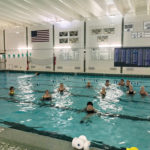
The top-ranked request was $100,000 in operating support for the Alpena County Plaza Pool. With $11,040 for a Safety, Splash and Swim program and $12,437 from the Alpena Streamline Club to replace flags and lane lines, water recreation would receive more than $123,000. Suszek confirmed the operating award is the largest single grant.
"The pool would probably close if they didn't receive the $100,000 from the Youth and Recreation Committee," he said. "It was the top-rated request due to the need and the numbers it serves."
The indoor pool at Alpena High School has long depended on the millage, county support and fundraising. It is where many children learn to swim and where residents find year-round exercise. Losing it would erase one of the few indoor recreation options in a climate that shuts parks for months.
The Aplex Community Center would receive the most money to any one organization: $112,400 across three grants. That includes $71,000 to convert tennis courts to pickleball, $21,400 for a golf simulator and $20,000 for a special-needs prom and SNAP program.
Capital projects run through the rest of the list, and the committee prefers them when it can. Ossineke Township is recommended for $42,232 for Hubbard Lake basketball courts. Immanuel Lutheran Church and School would receive $35,200 for an outdoor court. Other lasting items include a volunteer-field backstop, a merry-go-round at Sunken Lake County Park, a McRae Park ice rink through the Lions Club of Alpena Memorial Fund, hockey gear and pool equipment.
"We like these because they are long lasting and not just programming for a year," Suszek said.
Programming still takes a large share. Michigan State University Extension is recommended for $67,905 for children and youth programs. The Boys & Girls Club would receive $33,000. The Alpena Hockey Association would receive three grants totaling $41,702 for player cost reduction, Battle of the Bay tournaments and equipment. Alpena Huron Shore Baseball & Softball would receive $15,000 for registration help plus $20,500 for the backstop.
Alpena Public Schools is recommended for $25,000 for KAPUT activities and $10,500 for robotics. Northeast Michigan Center for the Arts would receive $27,250 for arts and Food for Fuel programs. Smaller awards would support figure skating, HEROES programming and farmers market nutrition work.
The $75,000 contingency is meant for needs that surface after the main round. There is no hard cap, Suszek said, though awards are usually small.
"Anyone can apply, no max award, but they are generally small mini grants," he said. "They are for emergency situations or, let's say, a group was applying for another grant and didn't get it."
"Also, for new organizations or new ideas that are time sensitive," Suszek added. "They must give rationale why they couldn't apply for the regular round of funding."
If commissioners adopt the list, work would fall in the calendar year 2027.