
Bouchard to give a piece of himself to help Sommerfeld
Alpena man to receive kidney from longtime friend
Trending
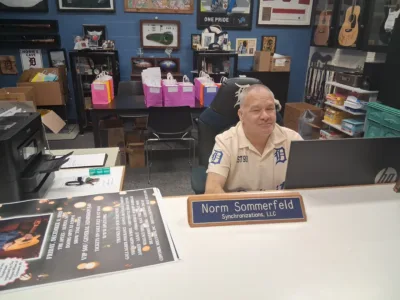
ALPENA - Alpena's Norm Sommerfeld, a popular face in Alpena and helped run the Aplex for 19 years, is scheduled to receive a kidney transplant on Sept. 2 from his longtime friend Randy Bouchard.
A 35-year friendship built on concerts, casino trips, and shared laughter will culminate in a Detroit operating room, where one man is scheduled to give his friend a chance at a longer life.
Sommerfeld and Bouchard are set for transplant surgery at Henry Ford Hospital in Detroit. The procedure marks the latest chapter in Summerfield's long battle with diabetes and kidney disease, one that has relied heavily on the care of his wife, Elaine.
Sommerfeld graduated from Western University in 1994 and built a career managing ice skating rinks. He worked in Columbus, Indiana, and Gaylord before returning to Alpena in 2003 to help open and run Northern Lights Arena. Four years later, then-owner Jim Park asked him to take over operations at the Aplex. He has held the role since 2007.
His health troubles began much earlier, as he was diagnosed with diabetes at age 25, Sommerfeld said he did not manage the disease as carefully as he should have. In 2019 he was diagnosed with Stage-4 kidney disease. By December 2023, the condition had worsened enough that doctors ordered emergency dialysis.
A central-line catheter was placed in at a hospital in Saginaw, and he began in-center hemodialysis three days a week for five hours at a time at DaVita-Alpena.
The sessions left him exhausted, he said.
"Doctors have told me every day you're on dialysis it's like your body running a marathon," Sommerfeld said.
He experienced fatigue, dizziness and what he calls "dialysis fog" that affected his short-term memory, Sommerfeld. Still, he kept working.
Once stable, his nephrologist suggested home dialysis. Sommerfeld chose peritoneal dialysis. After catheter placement in Traverse City and training with Elaine, he started home treatments in May 2024. The regimen went well enough that his schedule was reduced from seven days a week to five. Treatments run overnight while he sleeps, allowing him a more normal daytime routine.
"My wife hooks me up; she is the greatest thing to ever happen to me," Sommerfeld said. "Elaine has been the best caregiver a guy could ask for."
When transplant became an option, Sommerfeld discussed it with Bouchard. The conversation started as a request for advice. The next day Bouchard called back and said he wanted to be tested as a potential living donor. Extensive medical evaluations over the following two years confirmed the two men were a perfect match.
Sommerfeld prepared rigorously. He lost more than 80 pounds, well beyond the 30 pounds doctors initially required, and brought his blood sugar under full control for the first time since his 1992 diabetes diagnosis. His A1C fell to 5.6, and he no longer needs an insulin pump.
"When I started looking at my options, my wonderful friend of over 35 years, Randy Bouchard, came to me and offered to get checked," Sommerfeld said. "It's a hard thing to talk about because someone is giving something in their body to you, so you can live a longer life. This is my best chance at a longer life."
Without a transplant, the outlook on dialysis remains uncertain. Sommerfeld noted his father stayed on dialysis for 10 years. Across the United States, 95,492 people were waiting for a kidney as of July 30, according to Organ Procurement and Transplantation Network data.
Living donation can change that timeline. A living donor can be a relative, spouse, friend or even a stranger through paired exchange programs. Donors also receive priority on the national waiting list if they later need a transplant themselves.
Pre-operative appointments are scheduled for Aug. 25. After surgery, Sommerfeld will remain in the Detroit area for frequent follow-up visits that will gradually decrease over the coming months.
Elaine Sommerfeld has been central throughout - managing overnight dialysis, attending appointments and providing steady support. In an editorial she wrote about the family's experience, she described the mix of emotions the family will carry into the hospital: excitement, nervousness, gratitude, fear and hope.
"I want to thank my family and friends; they have done a lot to help me through this the last two and a half years," Norm Sommerfeld said. "I especially want to thank my wife. I am a very lucky man."
On Sept. 2 the Sommerfeld's and their supporters will walk into Henry Ford Hospital knowing the day would not be possible without Bouchard's decision. As Elaine said, there are no words big enough for a gift like that the one Bouchard is giving her husband. Two words, however, will not stop being said as Norm's health improves....Those words are, thank you.