
Alpena County 4-H youth put in year-round effort ahead of fair
Trending
ALPENA – More than 150 Alpena County 4-H youth are expected to take part in this year's fair, with about 135 participating in the market sale. Those numbers continue to grow each year, according to Michelle Eagling, Alpena County 4-H program director.
The work that leads to the show ring begins long before fair week. Youth with larger projects such as finished market steers or heifers start before December of the previous year. Baby beef and feeder calves follow, with animals typically born in January.
"The busiest months start when the weather begins to warm up, animals begin to be born, and kids can get their animal projects outside to work with," Eagling said. "Months, weeks, and hours go into these projects, from selection of the animal and then begins the training and working with the animals to build a relationship, trust, and the skills needed for show day."
Preparing clubs and the grounds is an all-year process. Pieces of the puzzle fall to the 4-H Council while others are handled by the Fair Board. The fair itself is an open event run entirely by community members who volunteer their time year-round for planning, preparation, and execution.
"4-H is a youth development club different from the fair," Eagling said. "However, it is the largest supporter, participant, and partner."
The program's role is to prepare and develop young people throughout the year, with the hope that every activity leaves participants with new knowledge or skills. The fair is the culmination of that work rather than the starting point.
Alpena County 4-H maintains a strong focus on animal science, a field closely tied to the community's farming and livestock history. Youth begin hands-on learning as early as January through the Alpena County Livestock Club. Educational activities planned by the 4-H Council and program staff go beyond show preparation to cover animal care, nutrition, breeding, selection, fitting, showmanship, record keeping, and responsible decision-making.
Along the way, participants develop broader life skills. They practice public speaking through interview experiences that include Youth Day, project interviews, scholarship applications, and other activities. They learn to communicate with adults, answer questions, advocate for themselves and their projects, and grow more comfortable speaking in front of others.
Responsibility is another core lesson. Livestock projects demand consistent care and commitment. Youth cannot simply arrive at the fair and expect success. They must stay present throughout the year, care for animals, meet deadlines, make decisions, and follow through on commitments.
Budgeting and entrepreneurship enter the picture as well. Participants begin to understand the costs of raising an animal or completing a project, how to set goals, how to market themselves and their work, and how to communicate with potential buyers and supporters through the market sale.
Sportsmanship ranks among the most valuable lessons. Youth learn to handle both success and disappointment, congratulate peers, accept feedback, and recognize that a ribbon or placing does not define the value of the experience.
"The goal is to help young people become confident, responsible, capable individuals who can take what they learn through 4-H and apply it well beyond the fairgrounds," Eagling said. "Ultimately, the fair gives our youth a very public opportunity to demonstrate what they have been learning all year -- but the real work of 4-H happens throughout the entire year, in the meetings, clinics, practices, conversations, responsibilities, mistakes, successes, and countless small learning opportunities that lead up to that moment in the show ring."
During fair week the public can expect animal shows running Sunday through Wednesday. Thursday brings what many youth consider the highest honor: large and small animal sweepstakes. The competition features senior and junior division grand champions from each species who then show different animals to determine overall showmen. Small animal sweepstakes, sponsored by Top O' Michigan Insurance, are scheduled for 9 a.m. under the tent. Large animal sweepstakes, the Norman Alexander event, begins at 5 p.m.
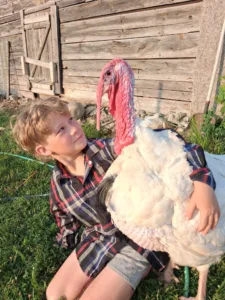
Visitors will find a wide range of exhibits. Club displays under the grandstands will feature still projects in animal science, STEM, woodworking, gardening, sewing, baking, photography, and more. The barns will house rabbits, turkeys, ducks, chickens, sheep, goats, swine, dairy cattle, beef cattle, and horses.
What fairgoers see during the week is the final chapter of a year-long process. The 4-H year itself ends at the close of August. By the time an exhibitor steps into the show ring, months of meetings, practices, project work, animal care, record keeping, fundraising, educational clinics, weigh-ins, community service, and hands-on preparation have already taken place.
An equally large effort happens behind the scenes. The 4-H Council, youth, families, volunteers, leaders, community partners, donors and Extension staff all contribute to making the experience possible. Parents and volunteers spend countless hours helping young people learn, prepare, and navigate the requirements of membership.
"I think one of the most important things for the public to understand is that the ribbon is only a small part of the accomplishment," Eagling said. "When you see a young person standing proudly beside an animal or project, you're seeing months, maybe even years' worth of dedication, development, love, and lessons."
Josh Jambor can be reached at jjambor@thealpenanews.com.