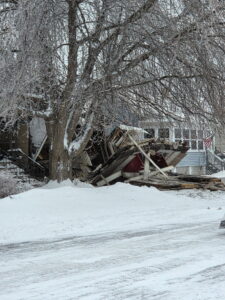
Gov. Whitmer declares state of emergency in Alcona and Alpena counties
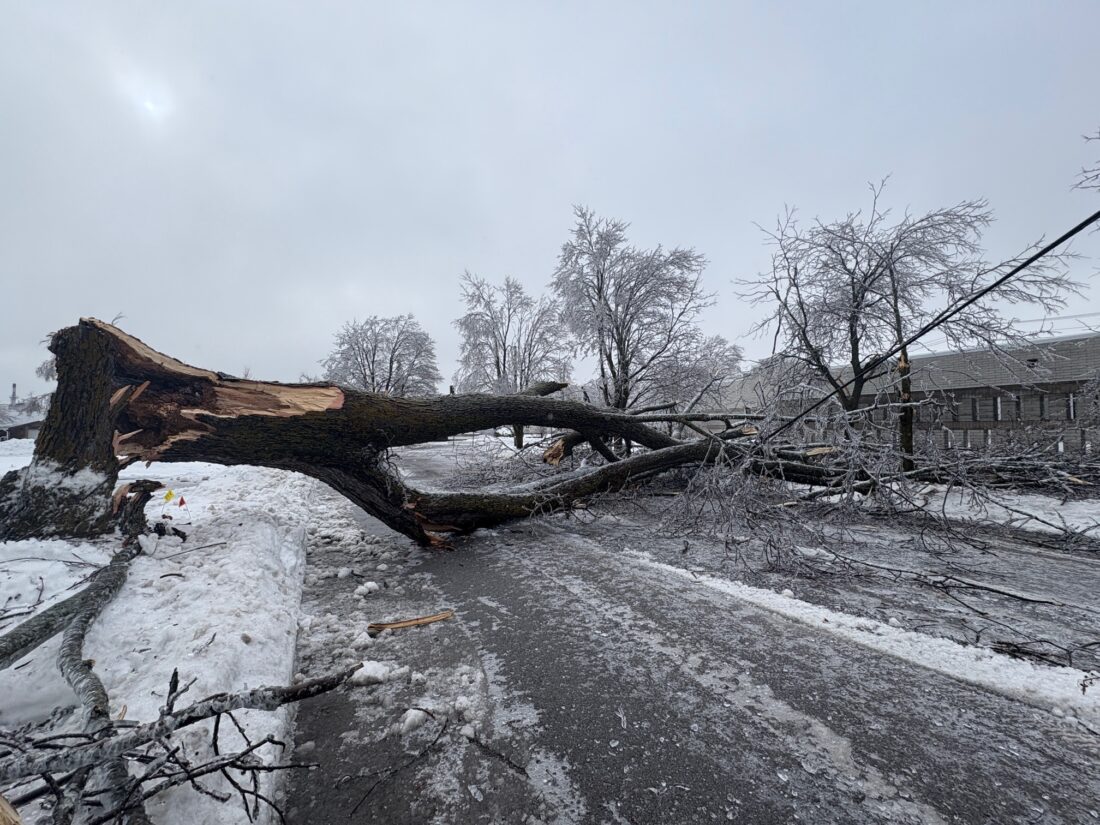
News File Photo A large tree lays across River Street in Alpena on Monday after an ice storm produced a heavy buildup of ice in the Alpena area. Damaged and fallen trees were littered throughout the city on Monday.
Gov. Gretchen Whitmer Tuesday declared a state of emergency for Alcona, Alpena, Delta, Missaukee, Ogemaw, Roscommon and Wexford counties to assist with response and recovery efforts following extreme winter weather, according to a press release. The Governor has also declared a state of energy emergency for the entire state, in order to ensure the speedy delivery of heating fuel to affected people.
“This afternoon, I’ve declared a state of emergency for counties in the U.P. and northern Michigan to coordinate an all-hands-on-deck response to a historic blizzard,” said Governor Whitmer. “By taking this action, the state can respond to local requests faster and make every resource available to local communities to clear roads, deliver fuel, fix damage and keep the lights on. I want to thank all first responders who are working tirelessly to keep people safe.”
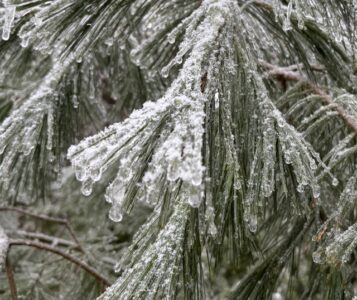
A winter storm system on Sunday and Monday dropped two to four feet of snow across much of Northern Michigan and the Upper Peninsula. Ice accumulation also caused widespread or severe damage in several counties. Local officials report impassable, snow-covered roads, downed trees, and downed power lines across the region. Power outages are also reported, with several counties reporting the majority of residents without power.
By declaring a state of emergency, the governor has authorized the use of all available state resources to assist local response and recovery operations in the affected counties. The Michigan State Police (MSP) Emergency Management and Homeland Security Division (EMHSD) is coordinating the state’s emergency response through the State Emergency Operations Center (SEOC).
“As response and recovery efforts continue, we encourage all residents in Northern Michigan and the Upper Peninsula to stay home and stay safe when possible,” said Col. James Grady II, director of the MSP and state director of Emergency Management and Homeland Security. “Avoiding nonessential travel helps keep our roads clear and lets first responders and road crews focus on the task at hand, clearing the way and ensuring safety for everyone.”
The declaration also allows eligible communities to seek financial assistance under Section 19 of Michigan’s Emergency Management Act (Public Act 390 of 1976, as amended). The funding helps local governments cover emergency response costs and repair public infrastructure damaged by the storms.
For more information on the current SEOC activation follow MSP/EMHSD on X and Facebook. For tips on how to prepare before, during and after an emergency or disaster, visit www.michigan.gov/miready.
Local News
Gov. Whitmer declares state of emergency in Alcona and Alpena counties

Temporary walk-in clinic opens in Alpena
Alpena residents passing time with no heat and lots of blankets
Sunrise Side scholarship program fundraiser
LINCOLN – On Saturday, the 4th Annual Miss Sunrise Side Scholarship Program fundraiser will be held at the ...
A fir coat