
MDARD warns bird owners of flu
Trending
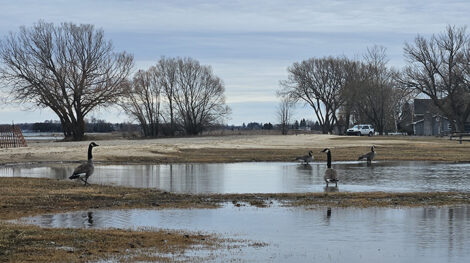
ALPENA -- While no cases of highly pathogenic avian influenza have been reported by the Michigan Department of Agriculture and Rural Development since December, the virus is carried by wild birds, which are migrating up to Michigan in the springtime.
MDARD said that domestic bird owners should keep watch of their birds and stay cautious of any contact with infected poultry, equipment, and the clothing and shoes of caretakers.
"The risk posed by HPAI is still present. As wild birds migrate this spring, their movement can cause the disease to spread once again," State Veterinarian Dr. Nora Wineland said in a statement. "To best protect Michigan's domestic flocks, bird owners need to remain committed to taking every precaution they can to protect their birds from being exposed to wild birds and their germs. Keeping birds safe and healthy must continue to be a priority."
In December, Montmorency County experienced its first infection with a backyard flock containing about 100 birds of various species.
In a previous report from The News, Jennifer Holton, director of communications at MDARD, said the flu primarily moves through wild birds but can spread from farm to farm through multiple ways.
She previously mentioned that people should not worry that the flu will risk public health. In an email from the Department of Agriculture, officials say bird products infected with avian influenza will not enter the commercial food chain, but they remind everyone to properly handle and cook poultry products.
The Health Department says bird owners should take the following steps:
* Prevent contact between domestic and wild birds by bringing them indoors or ensuring their outdoor area is fully enclosed.
* Wash your hands before and after handling birds as well as when moving between different coops.
* Disinfect boots and other gear when moving between coops.
* Do not share equipment or other supplies between coops or farms.
* Cleaning and disinfecting equipment and other supplies between uses. If it cannot be disinfected, discard it.
* Use well or municipal water as drinking water for birds.
* Keep poultry feed secure to ensure there is no contact between the feed/feed ingredients and wild birds or rodents.
MDARD said domestic bird owners and caretakers should watch for multiple sudden deaths in flocks, a drop in egg production, a significant decrease in water consumption, diarrhea, sneezing, coughing, or an increase in sick birds. If avian flu is suspected in domestic birds, contact 800-292-3939 during work hours and 517-373-0440 after hours.
If anyone suspects wild birds to have avian influenza, either use the Michigan Department of Natural Resource's Eyes in the Field app or contact the DNR Wildlife Disease Laboratory at 517-336-5030.
MDARD investigated two potential cases of the disease in 2024 but concluded that both flocks did not have it.