
Trout trial delays posed challenges, caused issues, attorneys say
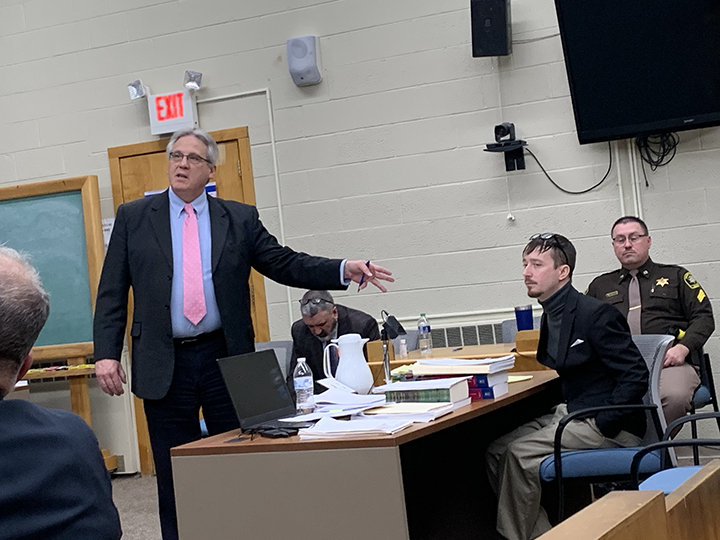
News Photo by Temi Fadayomi Aaron Trout’s attorney, Bill Pfeifer, standing, gives his closing arguments to the jury during Trout’s murder trial on Wednesday as Aaron Trout, second from right, watches.
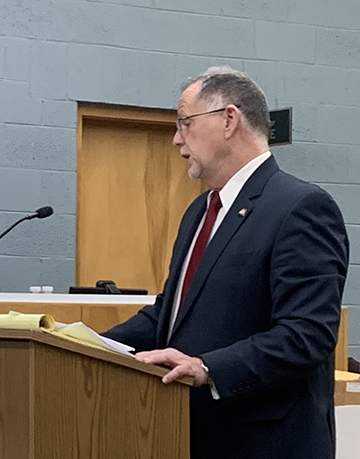
News Photo by Temi Fadayomi Alcona County Prosecutor Thomas Weichel gives closing arguments to the jury during Aaron Trout’s murder trial on Wednesday.
News Photo by Temi Fadayomi Aaron Trout’s attorney, Bill Pfeifer, standing, gives his closing arguments to the jury during Trout’s murder trial on Wednesday as Aaron Trout, second from right, watches.
News Photo by Temi Fadayomi Alcona County Prosecutor Thomas Weichel gives closing arguments to the jury during Aaron Trout’s murder trial on Wednesday.
Trending
HARRISVILLE -- Numerous delays during Aaron Trout's murder trial posed real challenges to the attorneys trying to work the case, those attorneys said Friday.
The trial was originally scheduled to last three weeks but a series of delays extended that timeframe to more than a month. Delays were caused by several COVID-19 infections among jurors, the holidays, and recent winter storms.
"The trial was certainly odd in the sense that we had things happen that haven't occurred in all the trials that I've been involved with," defense attorney Bill Pfeifer said. "Sometimes, we might occasionally skip a day or something, but starting and stopping and starting and stopping as many times as we did made it pretty difficult to prepare, not only mentally but emotionally, as well."
The consistent delays in the trial led to a host of issues.
Alcona County Prosecutor Thomas Weichel said the delays interfered with the scheduling of witnesses and experts who needed to testify for both the prosecution and defense.
"With obstacles like COVID running through and the different delays and adjournments that turned a three-week trial into a two-month trial, we had a scheduling issue," said Weichel. "Individuals, like the current county IT director, John Hartley, whose help in being able to pull all of that digital evidence together, was incredible."
On Wednesday, a jury found Trout guilty of second-degree murder and first-degree child abuse in the killing of 2-year-old Jayde McDonnell, the child of Trout's then-girlfriend, Adrienne Pavelka.
Trout faces up to life in prison.
Pavelka pleaded guilty earlier to first-degree child abuse.
Weichel said he hopes the most important takeaway from Trout's trial is the necessity of protecting children from abuse.
"What is the most concerning thing to me is knowing that this can happen in a small county," said Weichel. "When you take a child and treat that child as this child was treated ... it's horrendous, and I -- I think we as a society need to really take a hard look at that."
"My client is obviously disappointed in the outcome," Pfeifer said. "However, I respect the jury's verdict. I know they had a tough decision to make, and I'm thankful that the jurors seemed to be attentive and invested in the outcome, themselves. I understand that it must have been extremely difficult for them to put their lives on hold for as long as they did. So I have a lot of respect for those folks, and I certainly have respect for the verdict."
Pfeifer said he hasn't discussed the idea of an appeal with Trout, but he fully expects one to be filed.
"It would be extremely rare for defendants not to file an appeal on a conviction for murder," Pfeifer said, "so I'm sure an appeal would be filed, but on what grounds that it would be filed, that would be hard to say. At this point, however, appellate counsel would be involved in that. I would not be involved in the appeal as a lawyer."
Trout is expected to be sentenced on Feb. 7.