
APS joins national class-action lawsuit
Trending
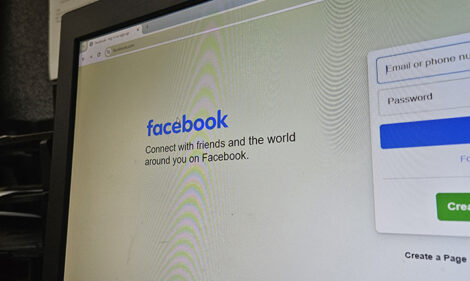
ALPENA -- The Alpena Public Schools Board of Education agreed to sign on to a nationwide class-action lawsuit against social media companies Facebook, Instagram, YouTube, Snapchat, and TikTok for causing addiction and mental health problems in children and teens.
According to the lawsuit, the platforms and their parent companies cause mental health issues in adolescents such as anxiety, depression, suicidal ideations, and more.
APS Superintendent David Rabbideau said that a key reason why the district wanted to join was because of the "countless negative impacts" the district has seen in students.
"I remember there was a TikTok trend where it was recording yourself vandalizing school property," Rabbideau said. "Compared to other school districts, we were lucky enough to only have minor damages during that time."
Social media company heads have denied any wrongdoing and said in fact their standards discourage use of their platforms by young teens and that they've implemented numerous tools to help teens and families, such as automatic time limits for teen users.
The use of social media among teens is nearly universal in the U.S. and many other parts of the world. Almost all teens ages 13 to 17 in the U.S. report using a social media platform, with about a third saying they use social media "almost constantly," according to the Pew Research Center.
Joining class-action lawsuits is not new to APS, as they joined one against JUUL and other vape manufacturers. The district accepted money from settlements with JUUL and Altria Co. and used the undisclosed amount of funds to offset the cost of the schools' vape detectors.
Rabbideau said that, if the social media lawsuit sees a settlement, the district would use the money to create a better educational program to show the downsides of social media.
"We've really implemented our phone guidelines this year so kids don't use their phones during normal school hours," Rabbideau said. "We're seeing benefits with this. Students are interacting more with students and teachers. We are not seeing nearly the levels of conflict between students, as most of that conflict can happen on social media and on phones."
According to the APS student handbook, elementary students can have a phone, but it must be put away and powered off.
Middle school students can use their phones during lunch hours, but must have it powered off before and afterward.
High school students can leave their phones on, but may only use them between class periods and during lunch hours.
"The crux of it is that there are countless negative impacts from social media," Rabbideau said. "These companies are targeting minors with their marketing and hurting the mental health of the students, whose brains are still developing. Let's right the wrongs."
The Associated Press contributed to this report.