Holcim Alpena utilizes tires for alternative energy
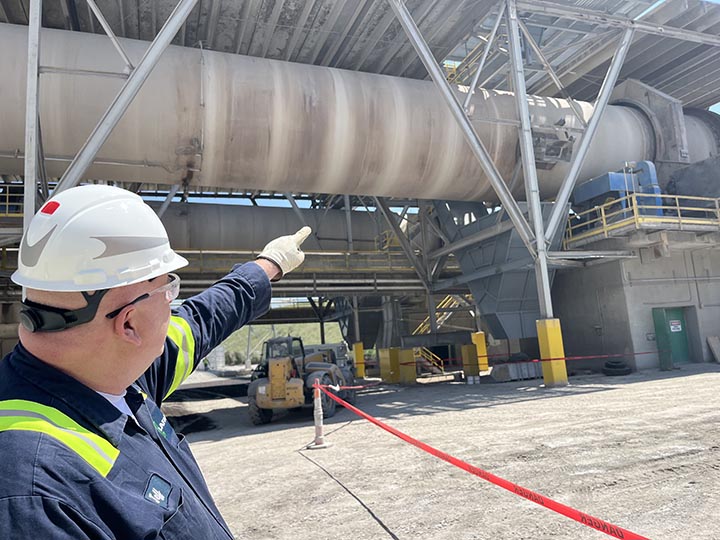
News Photo by Steve Schulwitz Holcim Alpena Plant Manager Jeff Scott points at the feeder unit that drops tires into the kiln. He said burning the tires at the plant not only produces an alternate form of energy, but also keeps them out of woods, lakes, and landfills.
ALPENA — Typically, burning tires can be a detriment to the environment, especially to air quality, but a new, innovative way to dispose of tires is helping to power Holcim Alpena, while keeping the tires out of forests, rivers, and landfills.
Several times a day, large semitrucks deliver tires that are dumped, separated, and eventually burned into nothing, with few dangerous emissions, Holcim Alpena Plant Manager Jeff Scott said. He said utilizing the power generated from the burning of the tires lowers the amount of fossil fuels the plant uses. Scott said he anticipates the fuel the tires generate will replace 20% to 25% of the solid fuel the plant utilized before.
“We won’t need as much coal, natural gas, but instead, we’ll be using a waste-derived fuel,” he said. “In addition to that, we’ll have a reduction in the amount of air pollutants that will generate because the way the tires go in creates stage combustion, and that will lower the nitrous oxide that we make.”
Scott said the plant’s scrubbers, which help remove dangerous emissions, will also continue to filter out harmful pollutants.
The implementation of the new recycling process led to hiring six new employees, and other job positions will be filled at other facilities who provide the tires to Holcim, Scott said. Training is another important aspect for the green energy process and Scott said the new employees are already up to speed on what to do, and what not to do.
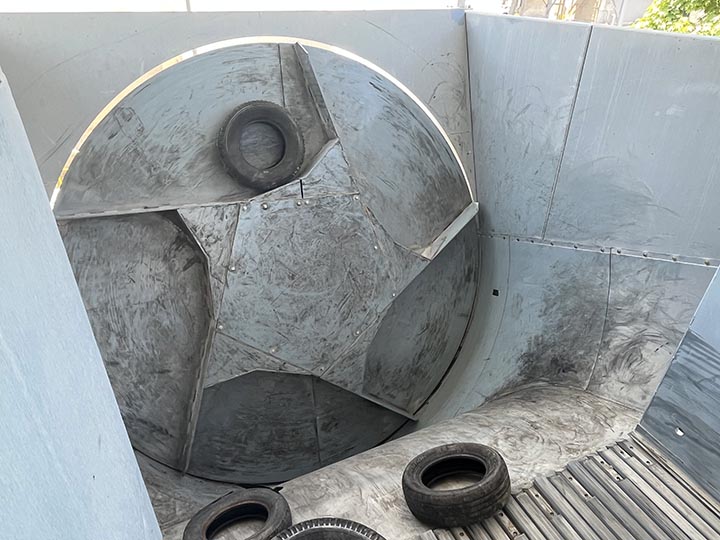
News Photo by Steve Schulwitz A large wheel collects the tires from the bin and sends them through a series of conveyors that lead to the kilns where they are incinerated.
“We have 11 facilities in North America that are using tire drive fuel already. So we have sent our employees to those sites to learn how they have done it,” he said. “We already have a very good toolbox of knowledge and a thorough standard of operations and procedures in place.”
The entire process is monitored from the control room, which has dozens of monitors where employees can watch real-time data and adjust settings accordingly, or address issues quickly. Scott said tires will be consumed 24 hours a day, seven days a week, unless the kilns need maintenance.
“We won’t stop,” Scott said. “We will consume that energy all of that time.”
After the truck empties the tires into a large bin, the tires are moved via conveyor belts to a separator that separates them and then fed high into the air on a separate belt that leads to a loader, which deposits three tires into each kiln every time it completes a rotation. That means six tires are disintegrated each minute.
Scott said the process has other benefits for the environment beyond producing an alternate form of energy.
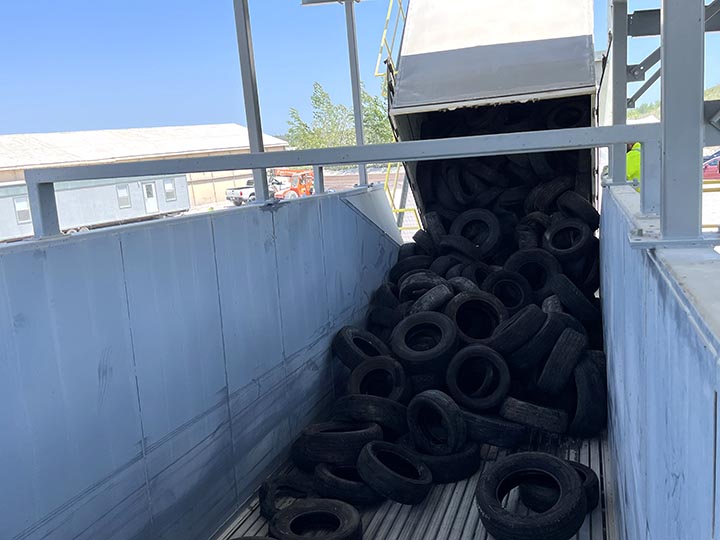
News Photo by Steve Schulwitz Scrap tires pour from a truck at Holcim Alpena in May. The tires are incinerated to produce energy that helps to run the plant. The process will run 24 hours a day and seven days a week.
“One of the concerns we had was if we have a pile of tires here, tire piles are gross and unhealthy. We will not have a tire pile here,” he said. “We will take one-fifth of the scrap tires in the state of Michigan here. That means they don’t go to the landfill, and you know, you see old tires everywhere, in the lake, woods, and on the side of the road. This helps keep them out of places like that.”
Scott said the local recycling center will accept tires, which Holcim will take to dispose of.
-
- News Photo by Steve Schulwitz Holcim Alpena Plant Manager Jeff Scott points at the feeder unit that drops tires into the kiln. He said burning the tires at the plant not only produces an alternate form of energy, but also keeps them out of woods, lakes, and landfills.
-
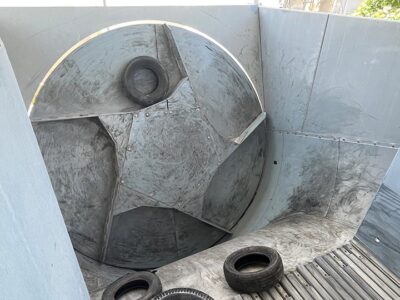
- News Photo by Steve Schulwitz A large wheel collects the tires from the bin and sends them through a series of conveyors that lead to the kilns where they are incinerated.
-
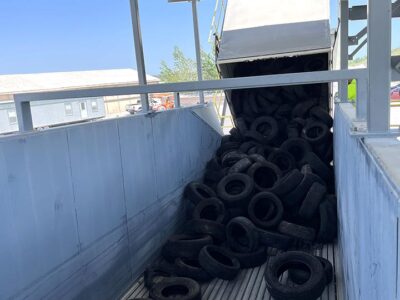
- News Photo by Steve Schulwitz Scrap tires pour from a truck at Holcim Alpena in May. The tires are incinerated to produce energy that helps to run the plant. The process will run 24 hours a day and seven days a week.
-
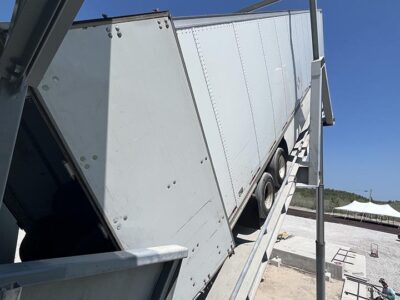
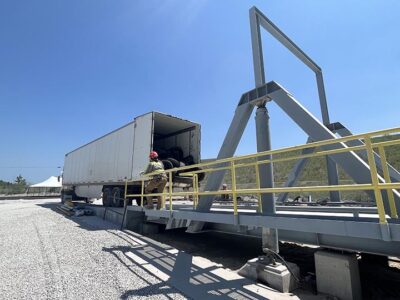
- News Photo by Steve Schulwitz A truck is tilted high into the air to dump tires into a large bin. Holcim Alpena is using the tires to produce power which it says will lower the amount of fossil fuel it will need to use.
-
- File Photo
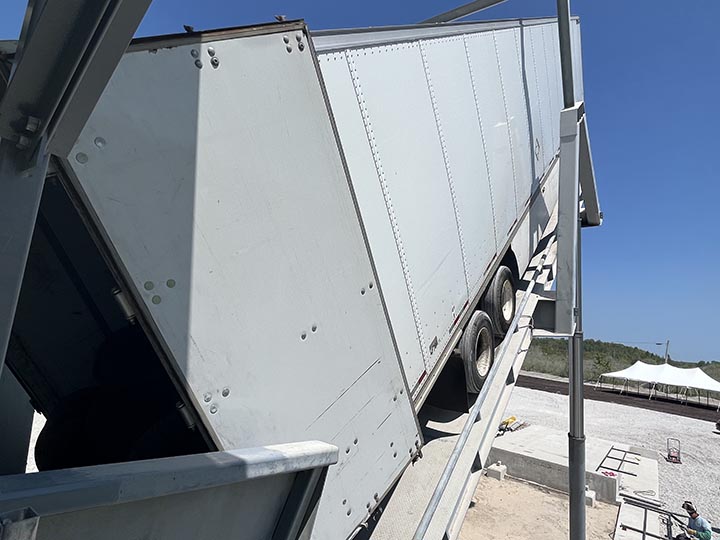
News Photo by Steve Schulwitz A truck is tilted high into the air to dump tires into a large bin. Holcim Alpena is using the tires to produce power which it says will lower the amount of fossil fuel it will need to use.

File Photo
Local News

Northland secures $10,000 for Bay Athletic via elevate program
Alpena County personnel committee meets Tuesday
ALPENA - The Alpena County Personnel Committee will meet on Tuesday at 10 a.m. in the Howard Male Conference ...

Michigan mulls changes in elk hunt regulations

Harmful algae bloom awareness program in Harrisville

You Are Loved Women’s Conference