
Posen woman finds convenience in canning
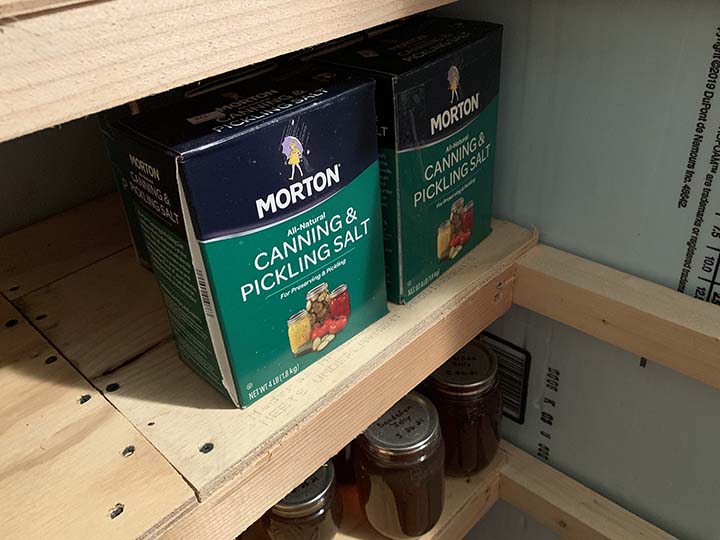
News Photo by Alyssa Ochss Boxes of the canning salt Loretta Burns uses for her canned goods sit on a shelf in her home.
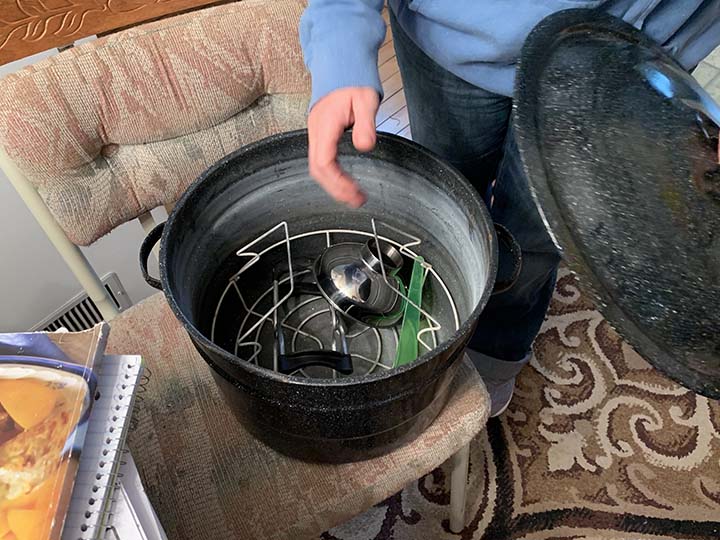
News Photo by Alyssa Ochss The inside of a water bath canner is shown.
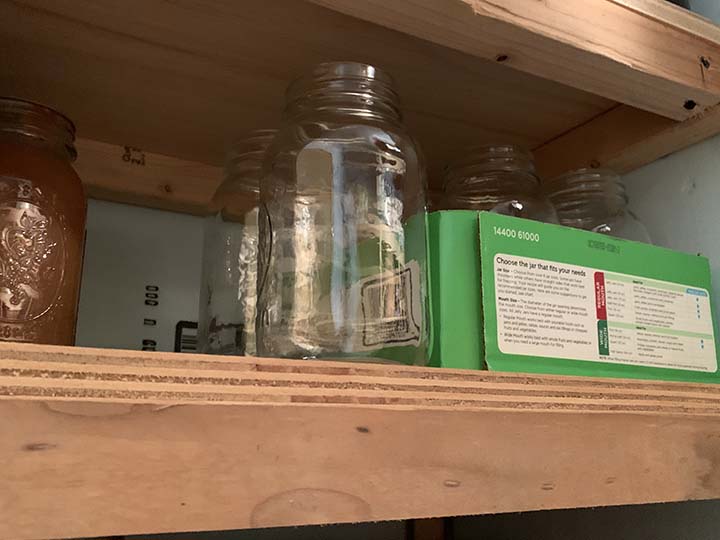
News Photo by Alyssa Ochss Empty jars and lids ready to be used sit on a shelf in Loretta Burns’ home.
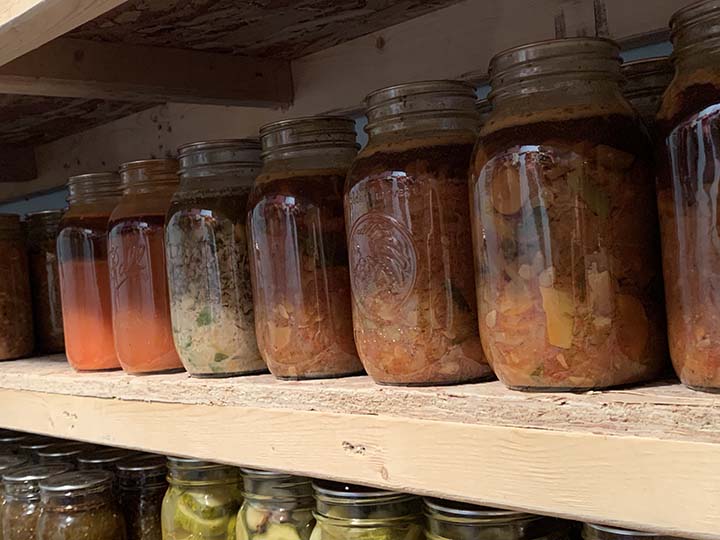
News Photo by Alyssa Ochss Rows of canned food sit on a shelf in Loretta Burns’ home.
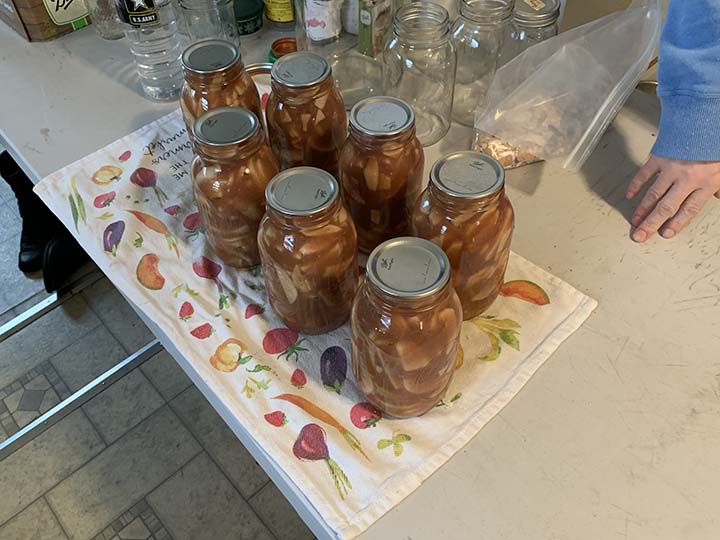
News Photo by Alyssa Ochss Recently canned apple pie filling sits on a table in Loretta Burns’ home.
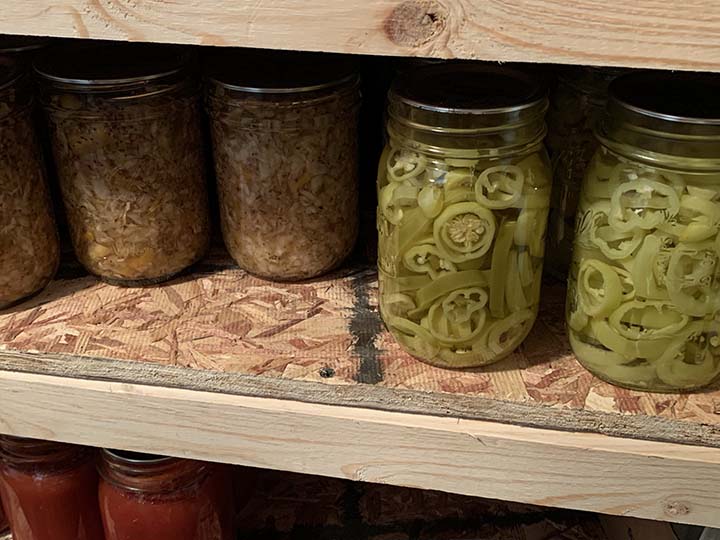
News Photo by Alyssa Ochss Jars of peppers and other food items sit on a shelf in Loretta Burns’ home.
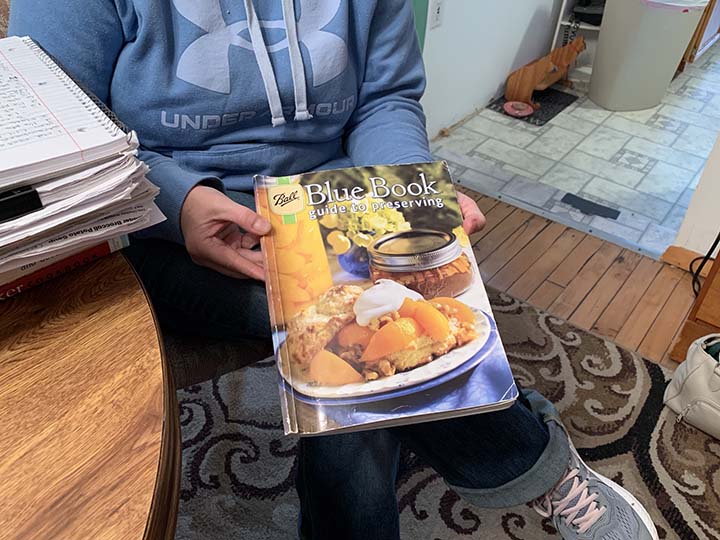
News Photo by Alyssa Ochss Loretta Burns holds out her copy of the “Ball Blue Book Guide to Preserving” in her home.
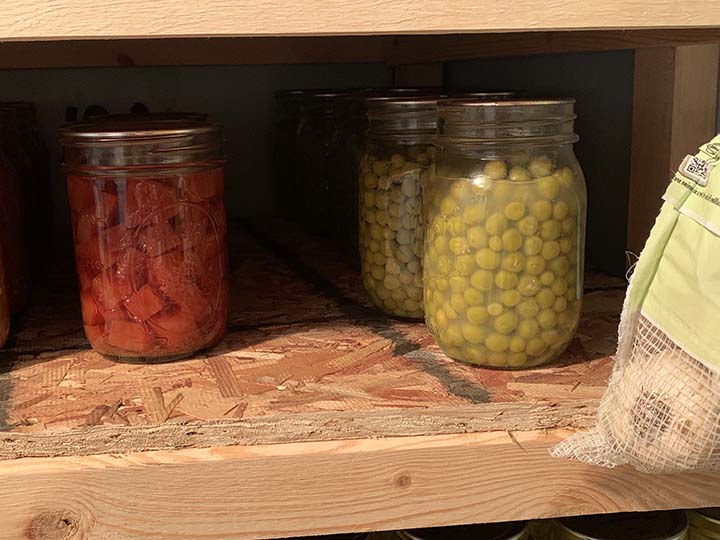
News Photo by Alyssa Ochss Peas and other food items sit in rows on shelves in Loretta Burns’ home.
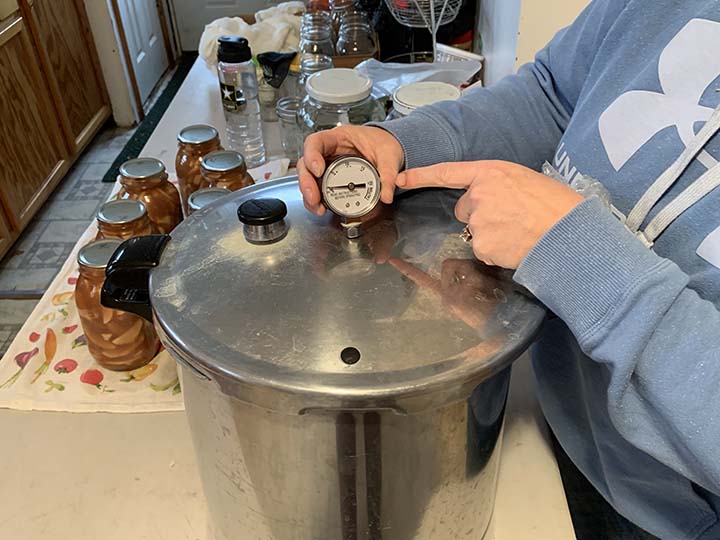
News Photo by Alyssa Ochss Loretta Burns points at a gauge used to measure the pressure inside of a canner in her home.
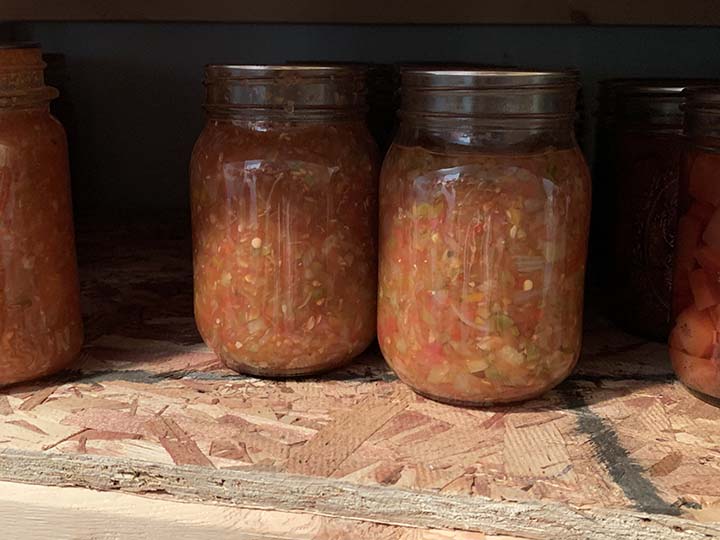
News Photo by Alyssa Ochss Canned salsa sits in rows on shelves in Loretta Burns’ home.
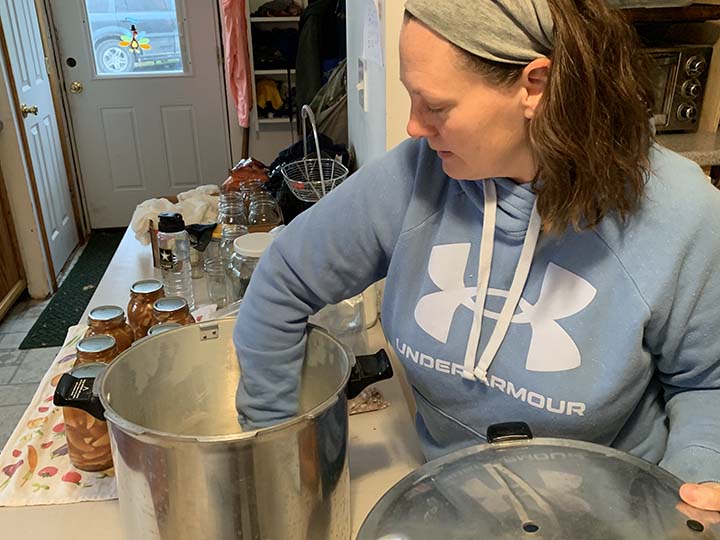
News Photo by Alyssa Ochss Loretta Burns reaches inside the pressure canner to show what goes into using it in her home.
News Photo by Alyssa Ochss Boxes of the canning salt Loretta Burns uses for her canned goods sit on a shelf in her home.
News Photo by Alyssa Ochss The inside of a water bath canner is shown.
News Photo by Alyssa Ochss Empty jars and lids ready to be used sit on a shelf in Loretta Burns’ home.
News Photo by Alyssa Ochss Rows of canned food sit on a shelf in Loretta Burns’ home.
News Photo by Alyssa Ochss Recently canned apple pie filling sits on a table in Loretta Burns’ home.
News Photo by Alyssa Ochss Jars of peppers and other food items sit on a shelf in Loretta Burns’ home.
News Photo by Alyssa Ochss Loretta Burns holds out her copy of the “Ball Blue Book Guide to Preserving” in her home.
News Photo by Alyssa Ochss Peas and other food items sit in rows on shelves in Loretta Burns’ home.
News Photo by Alyssa Ochss Loretta Burns points at a gauge used to measure the pressure inside of a canner in her home.
News Photo by Alyssa Ochss Canned salsa sits in rows on shelves in Loretta Burns’ home.
News Photo by Alyssa Ochss Loretta Burns reaches inside the pressure canner to show what goes into using it in her home.
Trending
POSEN -- Saving money and convenience are two reasons why Lorretta Burns of Zdrowy Farms started canning, and her whole family gets involved in the process.
Burns started canning about 10 years ago. She had no prior experience passed down by her family members.
"My mother, she gardened with my grandmother when she was younger, but there was no canning that was done in my house, so it was something that I self taught and learned a little bit at a time," Burns said.
Canning starts in June with berries, Burns said, and can go into the late winter if you're making items such as chicken stock.
"Usually, I start when berries come in, so you're looking at June, and I'm still canning currently so I still have carrots, potatoes, I have some tomatoes to do," Burns said. "And then, if you have things like chicken carcasses where you're making chicken stock like we do, because we raise our own chickens, that could go through the winter time."
Burns cans a wide variety of foods, including fruits, vegetables, and chicken stock. A few of the staples she cans are pickles, salsa, and jellies of all kinds. She grows most of her food, but with apples, she sources them locally or goes to apple orchards like Knaebe's Mmmunchy Krunchy Apple Farm if none of her local friends have extras.
With the apples, she makes applesauce, apple butter, and pie fillings. Most recently, she's been trying her hand at making apple cider vinegar with the cores and the skins. During her processes, she writes everything down in preparation for next year and years to come.
"I did three bushels of apples," Burns said.
She keeps track of how much applesauce, apple butter, and pie filling she makes.
"So it helps to figure out how much to buy for next year," she said.
Burns uses the "Ball Blue Book Guide to Preserving" for recipes and information on how to start canning. She said it's great for beginners because it explains a lot about the different processes for canning and other helpful tips.
"It's great because it explains a lot of information about pressure canning and water bath canning and which do you use for which and why, and lots of recipes," Burns said. "I use a lot of these recipes, then you add other things."
Burns said there are two processes people use to can foods: pressure canning and a water bath.
With a water bath, you put the cans in a big pot with a rack to set them on. You fill them up with water and essentially boil it for the amount of time the recipe says. Burns said you cannot guess on your times, and you really have to look at your recipe for direction.
A pressure canner is a little bit different. While the pot is still quite big, you put a small amount of water in the pot and close it. Once the lid is on the pot, there's no taking it off until the process is done. A little gauge on the top tracks the amount of pressure inside the pot. Pressure canning will raise the temperature more than with a water bath.
"So, with a pressure canner, it's going to raise the temperature higher than it would be with boiling, because you're using pressure to build up the heat," Burns said.
Sometimes, her kids join her in canning foods, but she doesn't let them touch the pressure canner or the boiling water bath.
Burns said there are mistakes you can make while canning, some of which she has experienced firsthand. These can include overstuffing jars, putting a room temperature jar in boiling water, and using an old jar with chips in it. She said it's a learning process.
Burns said there are always going to be controversies between the generations about how to can things, but you just have to try.
"You just have to try, that would be my advice, try a little bit at a time, especially if you grow your own food, or even if you don't. We've got lots of farmers markets. You have to go and gather up and try it," Burns said.
Burns said canning takes a long time to learn, and mistakes will likely be made during the process. She also added to be forgiving of yourself, and to give yourself grace.
"I would say don't be afraid," Burns said. "Do a little bit at a time. Try one thing, try green beans, try a particular vegetable, and just go from there. You don't have to do it all."