
Officials: Lack of ice could be good and bad
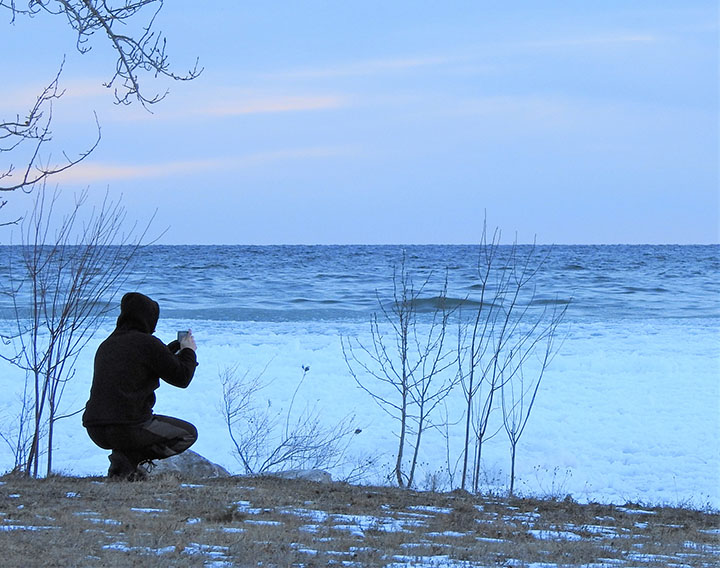
News Photo by Julie Riddle A photographer captures morning sunlight over recently-formed ice at Seagull Point in Rogers City on Tuesday.
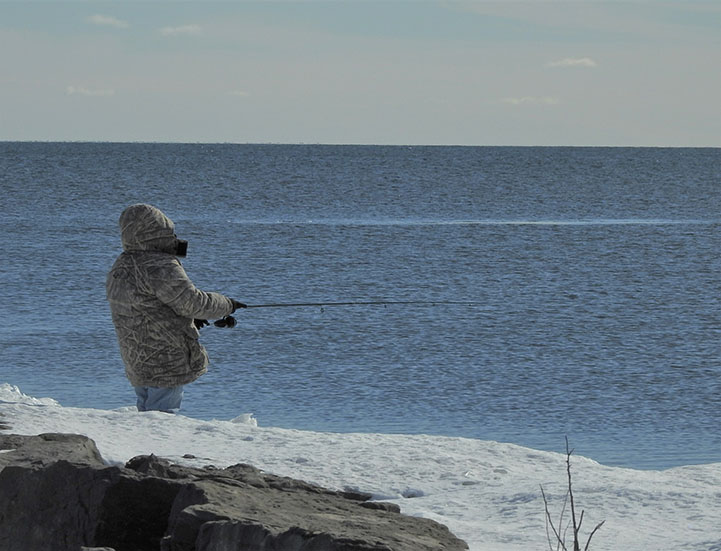
News Photo by Julie Riddle A fisherman takes advantage of open waters to cast a line from the breakwall at Bay View Park in Alpena on Tuesday.
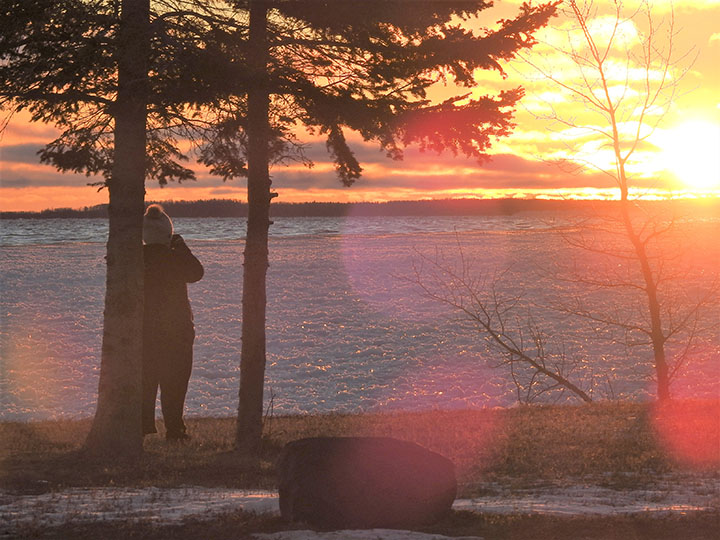
News Photo by Julie Riddle Rogers City resident Patty Brege enjoys a sunrise over new ice formations at Seagull Point in Rogers City on Wednesday.
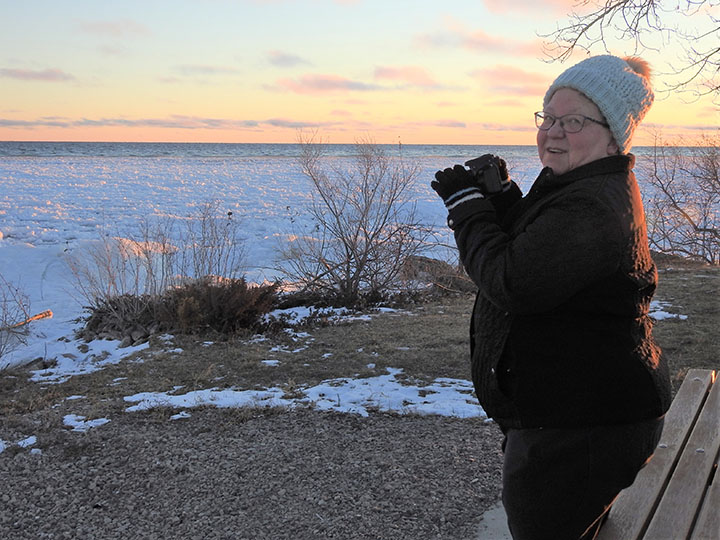
News Photo by Julie Riddle Rogers City resident Patty Brege enjoys a sunrise over new ice formations at Seagull Point in Rogers City on Wednesday.
News Photo by Julie Riddle A photographer captures morning sunlight over recently-formed ice at Seagull Point in Rogers City on Tuesday.
News Photo by Julie Riddle A fisherman takes advantage of open waters to cast a line from the breakwall at Bay View Park in Alpena on Tuesday.
News Photo by Julie Riddle Rogers City resident Patty Brege enjoys a sunrise over new ice formations at Seagull Point in Rogers City on Wednesday.
News Photo by Julie Riddle Rogers City resident Patty Brege enjoys a sunrise over new ice formations at Seagull Point in Rogers City on Wednesday.
Trending
ALPENA -- The big lake is blue instead of white -- and opinions are mixed as to whether that's a good thing.
After several months of gentle winter weather, Lake Huron has almost none of the crisp ice cover that often graces it this time of year.
Ice is coming, experts say. In the meantime, some worry that the lack of ice threatens valued parts of Northeast Michigan, while others say the open waters of early 2021 offer a possible break from years of high water damage.
Ice levels play a part in the protection of some of northern Michigan's treasures, including the shipwrecks that lay at the bottom of the Thunder Bay National Marine Sanctuary.
Both high- and low-coverage years can pose a threat to shallow wreck sites. Ice forming around shipwrecks near the surface could jostle or completely move pieces of a wreck, potentially causing damage, according to Stephanie Gandulla, maritime archaeologist for the maritime sanctuary.
Too little ice poses danger, too, as evaporation from exposed water lowers lake levels and exposes fragile archaeological sites to air and deterioration, Gandulla said.
Up North anglers may be keeping a concerned eye on Lake Huron's noticeable lack of ice cover, too.
Some species -- such as the lake trout and lake whitefish sought after by local sport and commercial fishermen -- depend on ice for incubation of their eggs, according to David Fielder, fisheries research biologist for the Michigan Department of Natural Resources Alpena Fisheries Research Station.
Those species, like other fish of Northeast Michigan, have adapted to harsh winters and actually thrive in them, unlike many invasive species not as accustomed to cold and ice, according to Fielder.
Mild winters, while good for some land animals, actually enable invasive fish to get a better toehold in northern waters while threatening the native fish that count on ice cover for survival, Fielder said.
While fish aficionados may be concerned by this year's unfrozen waters, lack of ice is a good thing in a boat harbor, Alpena City Building Official Don Gilmet said.
Ice packed around piers holds everything in place for the winter, and that's a good thing, Gilmet said -- but, when the spring thaw comes, destruction sometimes comes with it.
Sunshine warming the shoreline thaws the ice there, freeing masses of ice to heave with the motion of the water.
"When a big sheet of ice moves around a little bit, anything that's frozen in it is going with it," Gilmet said.
Ice has smashed ramps, ripped off electrical lines, and caused other damage at the Alpena Small Boat Harbor over the years.
In high-water years like the Great Lakes have experienced recently, less ice also allows for needed evaporation, Gilmet said.
Hopefully, he said, lake levels will drop from extra days of exposure to sunlight, giving shoreline communities a chance to assess and repair the damage caused by record-breaking water levels in 2019 and 2020.
About 20% of Lake Huron was ice-covered as of Wednesday -- less than half the average ice cover for Feb. 3, according to Matt Gillen, meteorologist with the National Weather Service in Gaylord.
Mild January temperatures put that month on the list of top-10 warmest Januaries in the past 100 years, keeping Lake Huron sloshing well into 2021, according to Gillen.
By the beginning of February, not quite half the lake is covered by ice on an average year. This week, Lake Huron boasts only about 20% ice cover, according to the National Oceanic and Atmospheric Administration.
Then again, said James Kessler, physical scientist for the NOAA Great Lakes Environmental Research Laboratory, the Great Lakes rarely act normal when it comes to ice cover.
Though over time the maximum ice on the Great Lakes as a whole averages out to about 53% coverage, ice levels can swing wildly from year to year. Many years, more than 90% of the lakes are ice-bound, while in other winters, that percentage can never venture out of the teens.
With such variation in ice amounts -- which are becoming increasingly erratic, Kessler said -- it's hard for the casual observer to detect a trend. Ane yet, ice cover on the Great Lakes is decreasing by an average of 5% per decade, and just less than that on Lake Huron, Kessler said.
Maximum ice cover forms in mid-February to early March, and it's still too early to define this ice year, Kessler said. Seasonal predictions based on past years' ice action indicate that Lake Huron will reach about 40% coverage this year.
Raw cold predicted in upcoming days should leave the lake looking dramatically different by this time next week, Gillen of the National Weather Service said.
A February predicted to have below-normal temperatures should keep the lake well-chilled and build up ice cover, Gillen reported.
A three-month forecast by the National Weather service indicates that temperatures may be warmer than normal in March and April. What that means for ice cover remains to be seen, Gillen said.