
Trending
Another roulette table in an Atlantic City casino gained a second audience on 21 September 2026. Caesars introduced Remote Roulette at Tropicana Atlantic City, where online participants in New Jersey could join the same game as casino guests at the table. All spins originate from an Atlantic City casino floor, not a separate studio. This brings live-dealer gambling beyond the well-worn format in which a presenter operates a game for a remote online audience. For people in Michigan, the innovation is obvious because those live tables have operated through the state-regulated internet market since 2021. What has changed now is the extent to which the physical and digital versions can be integrated, with a person on a phone sharing the same result as someone at a table hundreds of miles away.
Online sports betting has also conditioned many people to review digital sportsbook offers before making an account, which introduces another segment of the online gambling process.
A comparison page can update the reader about the deposit needed to claim a promotion or the wagering requirement that comes with it.A reader reviewing a rundown of the Rainbet promo code on Covers.com will see that the listed wager-locked offer requires a $30 minimum deposit and 40x wagering. That outlines the specifics of the offer on the page. A Michigan-based bettor still has to differentiate offer research from the state’s licensing authority because the MGCB determines which operators are licensed to offer regulated internet gaming in the state. The same point applies when transitioning from wager research into casino play: a promotional detail informs the user how an offer operates, while the regulator grants the necessary licences.
From Streamed Tables to Shared Play
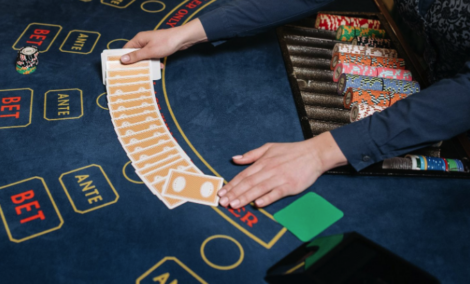
Traditional live-dealer games use cameras to capture a human dealer or croupier shuffling and dealing cards, or spinning a wheel. Players place wagers through a phone or computer screen. Michigan took that step in July 2021, when the Gaming Control Board allowed Evolution to stream blackjack and roulette from its Southfield studio. Baccarat was also included in the first slate of games.
The newer shared-table model alters the familiar format. As Caesars describes its New Jersey Remote Roulette game, online players and Tropicana visitors can share a real-life table. They receive the same spin result. The dealer is no longer working in a studio created mostly for the internet player; now the casino floor is part of the remote player’s view.
Michigan Already Has a Live-Dealer Culture
Five years before the Tropicana project, Michigan already had its first regulated live-dealer launch. The regulator laid out the format bluntly: cameras capture the dealer and the play, while providers’ apps or websites share the feed with remote customers. That offers the familiar structure and rules of table games, with a physical dealer operating the equipment.
Detroit would, because of this, seem an obvious cultural setting, as casino gambling already has a prominent physical presence there. Still, the online market is far broader than the three existing commercial casinos in Detroit. It would be possible, for example, for an Alpena resident to access an authorized internet gambling operator from another part of Michigan, so long as the geolocation technology situated them within the legal state borders.
The Casino Floor Can Become Part of the Broadcast
The physical environment influences what the website-based customer observes. In a dedicated studio, the cameras and tables are there for internet gaming. At a regular casino table that also broadcasts to the web, the online observer can see guests gathered around the wheel while using a digital betting panel from another location.
That is more similar to how newer forms of gaming culture blend watching and playing. A Tigers game against the White Sox can be on as you check a live score and move through other entertainment on your phone. Further along is live casino play. The same mobile device goes from one source to the next, even if traditional sports betting is an entirely different enterprise from casino gaming.
Connected Systems Sit Behind the Dealer
Most of the focus is on the dealer because that is the person on the screen. More work is happening in the background systems. Online, you can be dealing with identity records and account information. Payment systems and loyalty data could relate to the same customer record too.
Per Info-Tech Research Group, casinos can run with siloed systems across iGaming and sportsbooks, while another set of records can be created by property technology. The company points to the risk of duplicated customer profiles and inconsistent interactions. Its 2026 report calls for an integrated customer view across retail and digital channels.
This is more pertinent when one table is catering to people in two different contexts. The result of the game may be shared, but the online participant still needs an authenticated account to log on. The person at the physical table may use a loyalty card instead. Connecting the visible experience is easier than connecting every system operating beneath it.