
It’s pumpkin patch time, corn maze time, cider mill time in Michigan
Trending
LANSING - Michigan farmers facing rising costs, labor shortages and other financial pressures are using agritourism to diversify their businesses and bring customers directly to their farms.
Corn mazes, cider mills, petting zoos, haunted houses and other attractions can give farms additional sources of revenue while drawing customers to their property.
For smaller and mid-sized farms facing increased competition from larger agricultural operations, that diversification can be particularly important, said Greg Veeck, a Western Michigan University professor who has studied agritourism in Michigan.
"The finances of it are simply that if you have a medium-sized farm and you're producing corn and beans, or hay, corn and beans, or dairy, or eggs - those medium-sized farms were not doing well," Veeck said.
Farmers also face unpredictable weather, rising costs, labor shortages and development pressure, said Janice Benson, executive director of Michigan Agritourism Association.
"Farming isn't easy, and maintaining profitability can be even more difficult," Benson said. "Agritourism can offer greater stability for farmers by diversifying revenue streams, generating higher returns on sales and, importantly, by creating a connection with their customers."
For some Michigan farms, agritourism has become a significant source of revenue.
U.S. Department of Agriculture census data show that 239 farms in the state reported $25,000 or more in receipts from agritourism and recreational services in 2022. Another 83 reported between $10,000 and $24,999, and 88 reported between $5,000 and $9,999.
Agritourism creates revenue opportunities beyond admission fees or attractions. Farms can also sell their agricultural products directly to the customers who visit.
"When people come to the farm to purchase products, there is no middleman," Benson said. "These are direct sales, so they keep a higher percentage of the profit."
Farmers can also save time and money they otherwise would spend transporting products to another retail market or processor by bringing people directly to the farm, she said.
The financial opportunities can extend beyond direct sales of a farm's own products.
Veeck said farmers going into agritourism make more money not only from marketing their own products but partnering with nearby farms.
Those connections allow farms to sell each other's products as well. Veeck gave a simple example: "If you sell my cherry jam, I will sell your apple cider."
But getting customers to the farm is only part of the equation. Once they arrive, operators have an incentive to give them more reasons to stay.
"If you're an operator, you want to stretch the season as far as you can," Veeck said.
For instance, an orchard might no longer offer only apples, cider and doughnuts. Farms can add corn mazes, haunted houses, petting zoos and other activities that generate additional revenue and broaden what visitors can do there.
"You're trying to diversify from one product to more products to keep people coming to your farm longer," Veeck said.
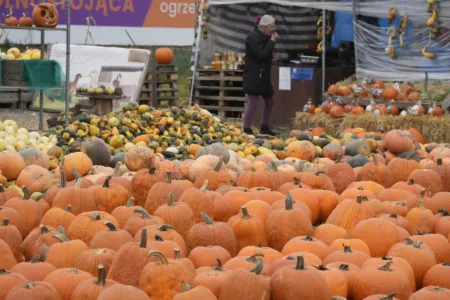
Fall can be especially important for Michigan agritourism businesses. Apple picking and pumpkin patches draw families to farms, where they may also buy cider, doughnuts, apples and seasonal vegetables, Benson said.
"Because so many people visit Michigan farms at this time of year, a busy Saturday in October can provide a significant source of revenue for these farmers," she said.
That diversification can serve another purpose for families that have farmed the same land for generations by building a customer base that extends beyond a single trip.
"When a customer discovers a farm that they love, they will keep coming back," Benson said. "Those loyal customers are what every business wants."