
Trending
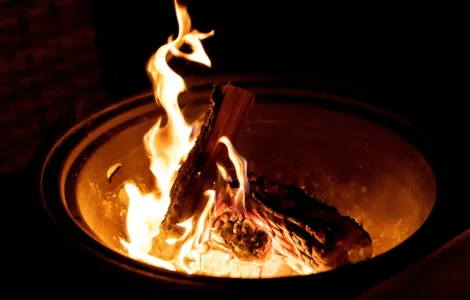
DEARBORN -- As temperatures cool across Michigan and the Midwest, many families are gathering around backyard fire pits to extend time outdoors. AAA reminds homeowners that fire pits, while popular, can also pose significant risks if they are not used properly.
A stray ember, unattended flame or improperly placed fire pit can quickly damage nearby structures, landscaping and outdoor furniture. AAA encourages homeowners to take precautions before lighting their first fire of the season and review their insurance coverage to help ensure they are protected if a fire causes damage.
“A backyard fire pit can quickly turn from a relaxing evening into a costly property loss,” said Adrienne Woodland, spokeswoman for AAA - The Auto Club Group. “Before lighting a fire, homeowners should review local regulations, keep safety equipment nearby and take simple steps to reduce the risk of injury or property damage.”
The National Fire Protection Association recommends:
– Using fire pits only outdoors
– Keeping fire pits at least 10 feet from anything that can burn
– Placing them on level, noncombustible surfaces such as brick, concrete or patio blocks
Choosing a model with a spark screen and keeping the screen closed while the fire is burning
What Are the Biggest Fire Pit Safety Risks?
The most common fire pit hazards include unattended flames, flying embers, hot surfaces, improper placement and unsafe fuel sources. Fires can spread quickly to nearby structures, while hot metal surfaces and ashes can cause serious burns long after a fire appears extinguished.
Some Fire Pits Carry Greater Risks Than Others
The U.S. Consumer Product Safety Commission warns against fire pits that use pooled alcohol or other liquid fuel. These products have been linked to two deaths and at least 60 injuries since 2019.
Pooled alcohol fuel can burn hotter than 1,600 degrees and cause severe burns in less than a second. Nearly invisible flames can ignite vapors during refilling, propelling fire and burning liquid toward people nearby. Fuel spills can also create larger, uncontrollable fires.
Consumers should avoid any model that requires liquid fuel to be poured into an open container and ignited.
How Can Homeowners Safely Use a Wood-Burning Fire Pit?
– Inspect equipment: Check the fire pit for rust, cracks or thin spots before each use.
– Check the weather: Do not light a fire pit on dry or windy days.
– Choose a safe location: Place the fire pit at least 10 feet from structures, fences, dry vegetation and overhanging branches.
– Prepare for emergencies: Keep water, a hose or a fire extinguisher within easy reach.
– Supervise constantly: Never leave a fire unattended. Children and pets should remain at least three feet away.
– Use proper fuel: Burn only seasoned, dry hardwood. Avoid pressure-treated or painted wood.
– Keep fires manageable: Keep flames below three feet and avoid overloading the fire pit.
“When extinguishing a fire, pour water over the coals, ashes and embers,” Woodland said. “Coals and ashes can remain hot enough to cause burns for up to 24 hours, so dispose of them in a metal container with a lid after they have been thoroughly cooled.”
Are Gas Fire Pits Safer Than Wood-Burning Models?
Gas fire pits eliminate flying embers and smoke, but they still involve open flames, hot surfaces and fuel connections that require attention.
Before each use:
– Inspect burners and fuel connections
– Remove debris and obstructions
– Follow manufacturer instructions for operation and maintenance
– Cover the fire pit when it is not in use
– Turn off the burner and close the gas valve after each use
– Wait for all components to cool completely before leaving the area
– Gas fire pits should only be used as intended by the manufacturer. Avoid cooking on models that are not specifically designed for food preparation.
Does Homeowners Insurance Cover Fire Pit Damage?
According to the Insurance Information Institute, U.S. fire departments responded to an estimated 351,000 residential fires in 2024, resulting in approximately $11.7 billion in direct property damage.
Homeowners insurance may provide protection if a fire pit causes damage to your home or other covered structures. However, coverage may vary depending on the circumstances of the loss and the policy’s terms and conditions. Homeowners should review their policy and contact their insurance provider with any questions about coverage, liability or exclusions.
“It is important to understand your coverage before a fire occurs,” Woodland added. “Homeowners should also check city, county and homeowners association rules before installing or using a fire pit."