
Peters takes bipartisan action to address growing national debt
Peters introduces resolution limiting deficit spending to 3% of GDP
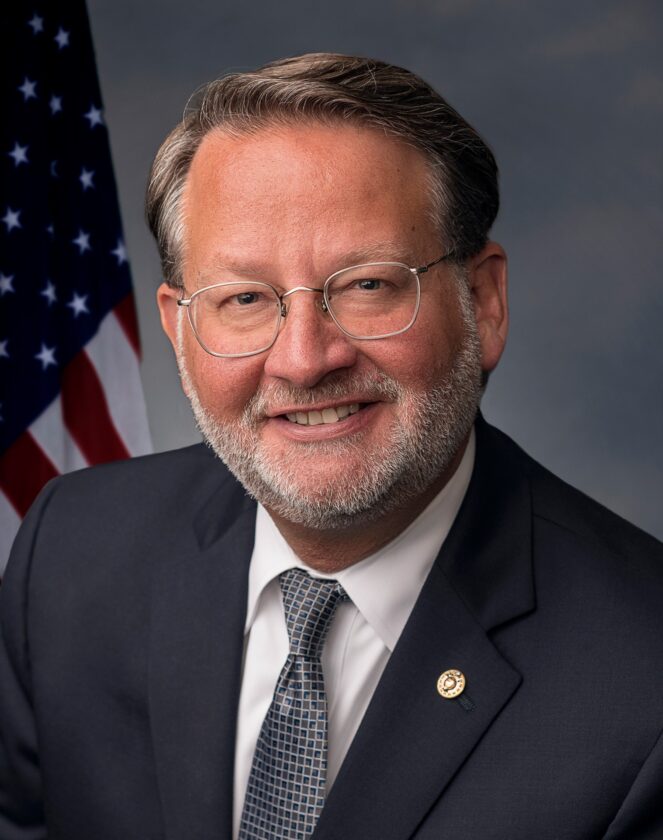
Gary Peters
WASHINGTON, DC — U.S. Senator Gary Peters, D-Michigan, helped introduce a bipartisan resolution supporting the goal of reducing our annual federal budget deficit to 3 percent of U.S. gross domestic product (GDP) by 2030. Years of imbalance between federal spending and revenues have resulted in rapidly accumulating national debt, threatening future economic growth. This resolution would help to set a sustainable deficit target and stabilize our fiscal trajectory.
“Our national debt is growing at an alarming pace. It’s past time for Congress to treat this serious issue with the attention it deserves,” said Senator Peters. “Our current trajectory is simply unsustainable, so I am proud to help lead this effort to set a practical, achievable target that will finally help us address the fiscal challenges we face.”
“The best way to tackle a daunting fiscal challenge is to set a clear, achievable goal and then build a practical plan to reach it,” said Maya MacGuineas, President of the Committee for a Responsible Federal Budget. ”Senators Cramer and King, joined by Senators Peters and McCormick, are taking an important step by putting forward a 3 percent deficit-to-GDP target to help stabilize the nation’s fiscal trajectory. We hope their colleagues will come together to meet this moment and begin the real bipartisan work of putting our budget on a more sustainable path.”
”The nation’s large and growing debt hurts everyday Americans — driving up costs for families and weighing down future growth,” said Michele Stockwell, President of BPC Action. ”By rallying around a 3%-of-GDP deficit target, Senators Cramer, King, McCormick, and Peters are charting a bipartisan path toward a brighter economic future. BPC Action urges Congress to get serious about our unsustainable debt and adopt this goal.”
U.S. Senators Kevin Cramer (R-ND), Angus King (I-ME), and Dave McCormick (R-PA) joined Peters in introducing the bipartisan resolution. U.S. Representative Bill Huizenga (R-MI-04) introduced a similar resolution in the U.S. House of Representatives.
Peters has long been focused on addressing the rising national debt. Peters introduced bipartisan legislation last year that would require key Administration officials to issue a report every four years examining how the current U.S. financial situation may impact our ability to effectively respond to emerging economic or geopolitical crises and meet mandatory spending obligations. In July, Peters took to the Senate floor to highlight how increased debt requires larger interest payments, diverting taxpayer dollars away from important priorities like health care, economic development, and upgrading aging infrastructure. In September, Peters also spoke on the Senate floor to discuss past bipartisan successes to lower the national deficit, pointing out the low unemployment and inflation rates that followed. In December, he highlighted the impact the rising national debt has on the lives of everyday Americans, leading to higher interest rates on expenses like home mortgages, car payments, and student loans.
National News
Peters takes bipartisan action to address growing national debt
Peters helps reintroduces bill to safely relocate retired lab animals
Peters, Slotkin press National Weather Service for answers on lack of tornado watch for Michigan tornadoes

Nessel vows to continue antitrust case against Live Nation for monopolizing live entertainment industry
Bergman, Golden, Bacon, Suozzi introduce bill to formally review mental health programs for servicemembers and veterans