Most of Michigan’s virtual learning students live in poverty
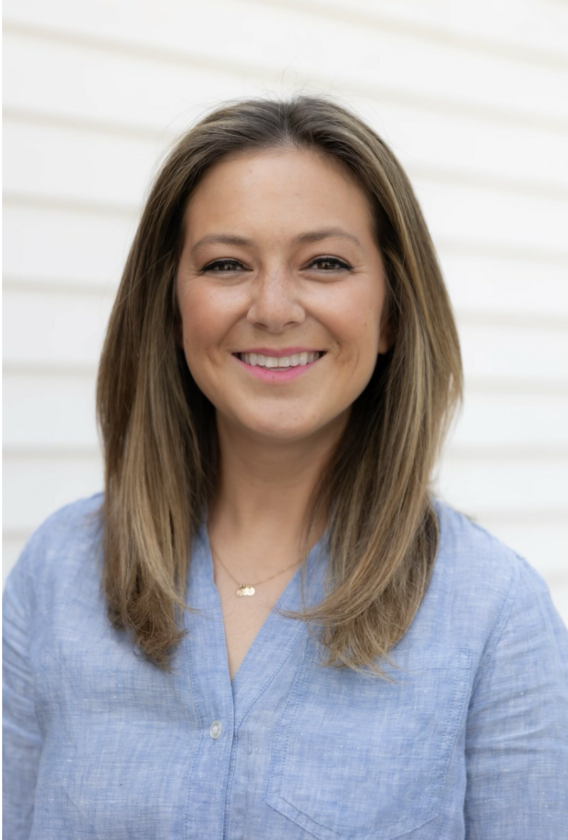
Alex Stamm
LANSING – Students living in poverty make up the majority of virtual learners in the state, according to a report from Michigan Virtual.
And 74% of students who attend school completely online live in poverty, its 2023-24 virtual learning effectiveness report said.
Michigan Virtual is a nonprofit private corporation that offers online courses and educational resources for middle and high school pupils, parents and K-12 educators.
“The notion that students who are economically disadvantaged or in poverty are more likely to be provided with virtual courses has held true across the various years,” Michigan Virtual Vice President Joe Freidhoff said.
He said that’s sometimes a result of fewer class offerings in some school districts.
“There’s very few schools in the state right now that are offering AP [Advanced Placement] courses across all the core subject areas,” Freidhoff said. “For students who are trying to chew off credits for college, their only option is either an AP course that they take online, or if they are close enough to [go to] a community college.”
That lack of course offerings might drive more affluent students away from schools in communities with high poverty rates, he said.
“It’s not uncommon for people to make choices about where they live based on the school systems,” Freidhoff said. “More affluent families are able to move into districts in which their children are able to attend good, stronger schools.”
Lack of access isn’t the only thing pushing students toward online learning, Freidhoff said.
“Students who are in poverty are more likely at risk for not passing their classes and falling behind,” Freidhoff said. “The notion of how to recover that credit has to come up more frequently with those students.”
The report from Michigan Virtual said alternative education programs make up 40% of all virtual enrollments.
Alex Stamm is the education policy analyst at the Michigan League for Public Policy and a former teacher at Portland Public Schools. She says many schools are moving toward online alternative education.
“We’re seeing an increase in schools who are using online courses for students who either behaviorally are having difficulties succeeding in a traditional classroom or who are behind on credits and kind of want to make things up,” Stamm said.
Stamm says that’s different from the alternative education she saw in Portland.
“It was a physical building,” Stamm said. “And it was for students who, maybe, were behind in credits or just the structure of a typical school day just didn’t fit their needs.”
Freidhoff said students in alternative programs generally have lower pass rates than students in traditional education programs.
He also said students in poverty have lower pass rates than those who don’t, with some failing online classes consistently.
“We tend to see that there are some kids in the state that get a very large amount of online courses and don’t show any success,” Freidhoff said.
He added that the success rate for students in online courses is generally higher if they are already succeeding at in-person coursework.
Ken Coleman is the communications specialist at the Department of Education.
He says although the department recommends in-person schooling, some students may be better served by online learning.
“Virtual learning could be a better fit for students who are unable to come to school or find that online learning is better suited to their needs,” Coleman said.
Freidhoff said many virtual learners are trying to make the most of their education, even though they have limited options.
He said precautions can be taken to raise chances of success in online school.
“Where possible, start small and build on success,” Freidhoff said. “This means providing learners with one or maybe two online courses and making sure they are successful before increasing their courseload.”
Michigan News
Most of Michigan’s virtual learning students live in poverty
Rx Kids expands to all expectant mothers and families in Montmorency County
MONTMORECY COUNTY — Michigan State University’s Rx Kids program, in partnership with the Thunder Bay Community ...

Gov. Whitmer and MiLEAP announce record enrollment in PreK for All

Thunder Bay Community Health Service and Munson Healthcare announce partnership to expand prenatal care access in Northern Michigan
Gov. Whitmer Statement on Former Speaker Tate Re-Election Announcement