
Peters reintroduces bipartisan legislation to help protect small businesses against unfair trade practices
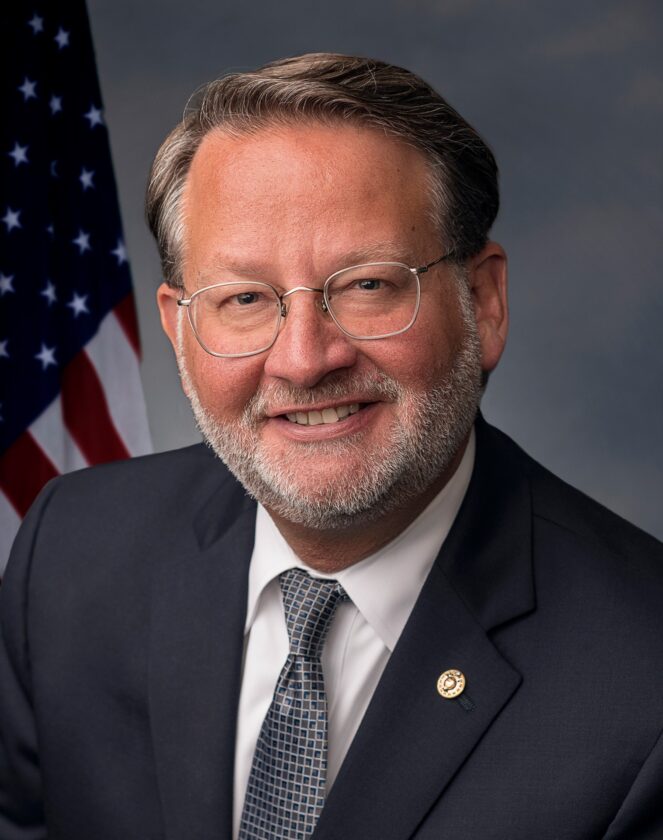
U.S. Senator Gary Peters
WASHINGTON DC — U.S. Senator Gary Peters, D-Michigan, reintroduced his bipartisan Self-Initiation Trade Enforcement Act to support small and medium-sized businesses in Michigan that are negatively impacted by unfair trade practices from foreign competitors. Currently, many agricultural producers, manufacturers, and parts suppliers lack the resources needed to identify unfair practices and bring them to the attention of the U.S. Department of Commerce. Peters’ bipartisan bill would establish a task force to investigate these trade abuses and ensure the Department has the tools and abilities to support American businesses.
“Michigan small businesses have long been targeted by unfair trade practices from foreign competitors that make it hard to stay competitive. But the cost of taking on a foreign company or country for these harmful practices is simply not possible for one small business,” said Senator Peters. “Local industries, like our cherry growers and beekeepers, deserve a level playing field. That’s why I’m proud to lead this bipartisan, commonsense legislation to ensure we’re investigating and addressing trade abuses to help our small businesses thrive.”
Currently, manufacturers and agricultural producers face unfair foreign competition from others that use practices including dumping and subsidies on imported goods. Dumping is an unfair trade practice where foreign competitors intentionally lower the price of their goods to make it harder for American companies that produce raw materials, manufactured goods, and agricultural products to compete. While the Commerce Department holds the right to self-initiate antidumping and countervailing duty investigations, the power is rarely exercised.
The bipartisan Self-Initiation Trade Enforcement Act – which Peters reintroduced with U.S. Senator Thom Tillis (R-NC) – would help mitigate the negative impacts of unfair trade practices on targeted businesses by establishing a team within the Commerce Department that is solely focused on analyzing trade data trends and listing potentially disturbing trade patterns for formal investigations, with an emphasis on cases impacting small and medium-sized businesses.
Peters’ bill is supported by the Cherry Marketing Institute and American Honey Producers Association.
“Creating a fair and competitive marketplace for U.S. tart cherry growers remains a top priority for the Cherry Marketing Institute. We appreciate Senator Peters’ continued leadership in reintroducing the Self-Initiation Trade Enforcement Act, which would strengthen the ability of U.S. specialty crop growers to respond to persistent unfair trade practices. Michigan cherry growers compete in a global market where prices are too often driven below the cost of production, and timely trade enforcement is essential to ensuring the long-term viability of our farms and rural communities,” said Amy Cohen, President of the Cherry Marketing Institute.
“The American Honey Producers Association applauds the efforts of Senator Peters to help small business including beekeepers, farmers and other small agricultural businesses who suffer from injury caused by unfair trading practices. The honey industry has long suffered from circumvention of antidumping orders, adulteration schemes, and other types of import fraud. Domestic beekeepers are a reliable source of a healthy sweetener and are pollinators of over 100 different crops, having a multiplier effect on the domestic agricultural economy. This makes them critical to America’s national food security. Domestic honey producers welcome this effort by Senator Peters to enhance the government’s ability to address pernicious unfair trade,” said Steven Coy, President of the American Honey Producers Association.
Peters has been a fierce advocate for Michigan small businesses. During the COVID-19 pandemic, Peters introduced a legislative package to support manufactures by addressing short-term supply chain issues highlighted by the pandemic and the longer-term problems associated with national manufacturing. Peters also successfully led efforts to enact significant funding for the State Small Business Credit Initiative (SSBCI) – a program that Peters helped establish as a member of the U.S. House. Further, Peters previously introduced bipartisan legislation, called the Make It in America Act, to make it harder for federal agencies to use waivers to get around Buy American requirements, require the federal government to give preference to American companies, and spend taxpayer dollars on American-made products and American jobs.
Local News

Henry reflects on the Wildcats’ hockey season

Watercolor spring blooms at Alcona library
Peters reintroduces bipartisan legislation to help protect small businesses against unfair trade practices

Bergman ‘s remarks on joint tactical air and land forces and Readiness Subcommittee hearing
Team Rogers City meets today
ROGERS CITY — Team Rogers City meets today at 8:30 a.m. until 10 a.m. at city hall in Rogers City and via Zoom. ...
Alpena DDA meets Tuesday
ALPENA — The Alpena Downtown Development Authority will meet on Tuesday at 3 p.m. inside the council chambers at ...