MDARD encourages owners to keep their animals warm amid wintry weather
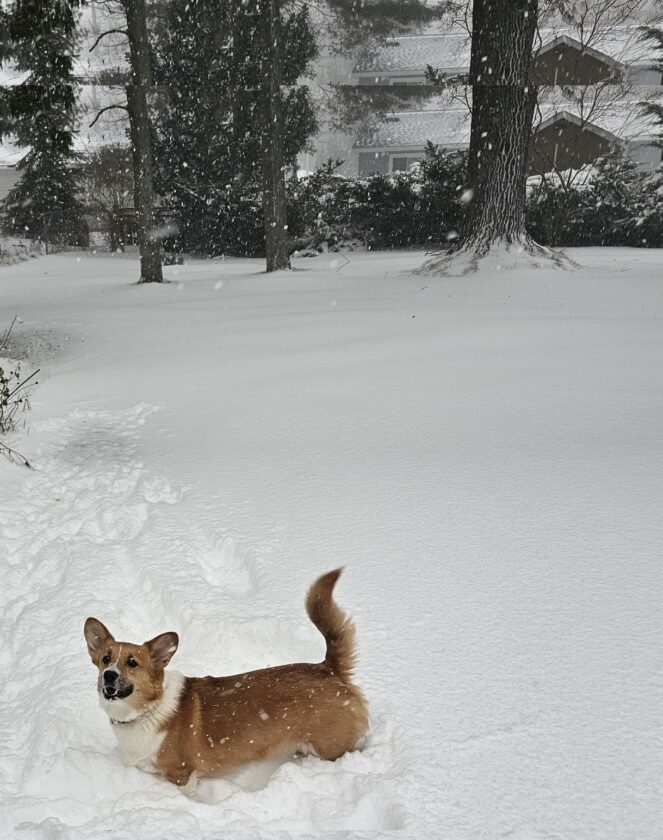
Courtesy photo by Lisa Repath Wissmiller Lisa Repath Wissmiller's corgi, Freya, is seen outdoors in the snow in Alpena.
MICHIGAN — As Michigan experiences cold temperatures around the state, the Michigan Department of Agriculture and Rural Development (MDARD) reminded owners of ways they can keep their animals safe and warm in a press release on Friday.
“While each individual animal tolerates the cold differently, animals that are young or elderly, short-coated, and/or have underlying health conditions can be more susceptible to frigid temperatures,” State Veterinarian Nora Wineland said in the release. “And, just like people, the windchill can affect how intensely animals feel the cold, making it even more essential to work with your veterinarian and know your animal’s limits in cold weather to prevent hypothermia, frostbite and other negative outcomes.”
To keep animals safe from the cold, MDARD suggests following these five tips:
— Give them shelter: Bring animals indoors whenever possible or make sure they have a shelter with dry bedding.
Animals are vulnerable to freezing temperatures, according to MDARD. It is recommended to keep pets inside as much as possible and limit their walk and bathroom time. For livestock and other outdoor animals, it is important to ensure they have access to a shelter with dry bedding if they need to get out of the elements.
— Let it flow: Make sure an animal’s water source does not freeze.
Animals always need access to fresh, drinkable water, according to MDARD. Extreme cold and windchills can make their water freeze quickly. Animals can then become dehydrated. Do not assume animals will eat snow to get the water they need. Make sure to move water bowls inside, change the water frequently or use tank heaters or heated buckets/bowls. Check on their water sources frequently to ensure they do not freeze.
— Happy paws: Check paws for injury and clean deicers from them.
MDARD stated that walking on cold, snowy surfaces can cause paw pads to crack or bleed. Also, de-icers, and other related wintertime products, can be toxic to pets. Applying a paw protectant can help to minimize injury and the absorption of chemicals. Wiping down your pet’s feet and legs when coming inside and using pet-safe de-icers can also help to keep them safe.
— Need more food: Some animals may need more calories to maintain their body heat.
Keeping animals at a healthy weight throughout the winter is important for their overall health, according to MDARD. Some animals may require a few extra calories to maintain their body heat, especially if they spend time outdoors. To help determine an animal’s specific nutritional needs during cold weather, contact your veterinarian.
— Quick clean up: Thoroughly clean areas where antifreeze may have spilled.
MDARD stated in the release that antifreeze contains the chemical ethylene glycol, which is extremely hazardous to animals. Be sure to thoroughly clean any area where antifreeze has spilled from a vehicle and keep containers of the fluid out of their reach.
Michigan News

Nessel re-Issues identity theft alert in recognition of Identity Theft Awareness Week
2026 Black Lake sturgeon season opens Feb. 7

Gas prices fall again
MDARD encourages owners to keep their animals warm amid wintry weather
A collaborative effort to protect Michigan’s bats
Jutting out into Lake Superior is the Keweenaw Peninsula, home to Michigan’s Copper Country, a press release from ...