
Peters calls for inspector general review of DoD PFAS cleanup delays
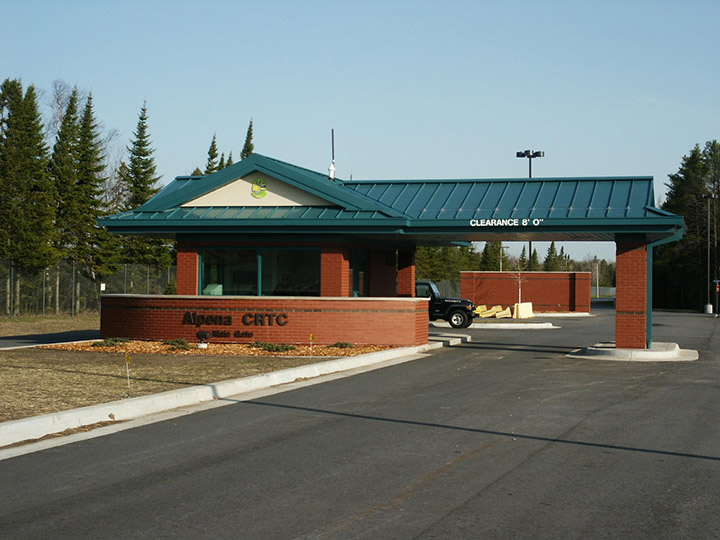
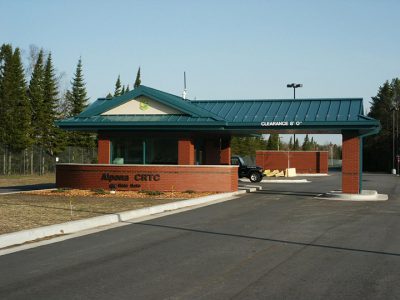
File photo The entrance of the Alpena Combat Readiness Training Center is seen in this photo from the National Guard.
ALPENA — U.S. Senator Gary Peters (D-MI), ranking member of the Homeland Security and Governmental Affairs committee, calls for an investigation into significant delays of Department of Defense (DoD) cleanup efforts of per-and polyfluoroalkyl substances (PFAS) at military installations nationwide, including the Combat Readiness Training Center (CRTC) located in Alpena, according to a press release on Tuesday.
The release states that Peters sent a letter to DoD Acting Inspector General Stebbins calling for the investigation. The request follows Peters’ Oct. 20 letter to DoD Secretary Pete Hegseth raising concerns about the delays affecting six military sites in Michigan. Besides the CRTC, other delays include Selfridge Air National Guard Base (delayed six years until 2033), Wurtsmith Air Force Base (delayed two years to 2027), K.I. Sawyer Air Force Base (delayed seven years to 2033), Kellogg Air National Guard Base (delayed six years to 2031), and Kincheloe Air Force Base (delayed four years to 2031).
According to the release, the CRTC cleanup project has been delayed six years to 2033.
“In September, reporting uncovered that DoD delayed PFAS cleanups at nearly 140 military installations across the country, stalling progress at some sites for up to a decade,” Peters stated in his letter to Stebbins. “DoD released the revised cleanup schedule in September without a public announcement explaining these changes.”
“Every American deserves access to clean, safe drinking water and should be able to rely on their government to promptly address imminent public health threats,” Peters added in the letter. “Exposure to PFAS is associated with a range of harmful health effects, from increased risk of certain cancers to elevated cholesterol and blood pressure.”
The senator’s letter requests that Stebbins review the factors DoD considered in delaying cleanup timelines, including staffing and resource constraints, and assess whether DoD evaluated the impacts on local communities, according to the release. The letter also asks whether DoD took any steps to communicate with affected communities prior to releasing the revised schedules.
Local News
Bergman, Dingell introduce bipartisan bill to ensure accountability in VA peer review process
Michigan congresswoman Haley Stevens introduces articles of impeachment against RFK Jr.

395 children to receive necessities through Christmas Wish List
AAA: year-end holiday travel expected to set new record
Peters calls for inspector general review of DoD PFAS cleanup delays
