
US Users Between WhatsApp, Telegram, and Social Media
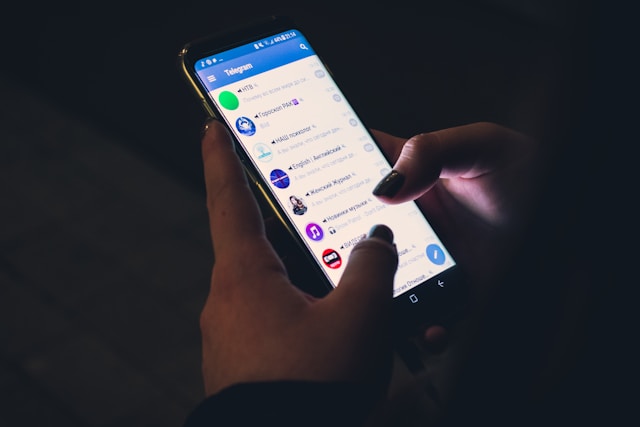
Digital communication defines interaction between people and the choices users make reveal a lot about their preferences when it comes to privacy, functionality, and features for social interaction. As a result, new platforms like Telegram have surfaced to complement WhatsApp as one of the primary options users prefer. However, since each of these social media technologies serves a different purpose, their popularity varies in each region.
In the US, WhatsApp has been a dominant force in online communication alongside other Meta-owned platforms like Facebook and Instagram, with over 2 billion users worldwide. However, Telegram is also growing in popularity especially since it serves multiple purposes apart from being a communication platform.
Recent updates have made it possible for Telegram to run other applications through it now, a feature that has been especially embraced by the iGaming sector. For instance, among online gambling communities, platforms like TG Casino, which is often voted best telegram casino by users, leverage the enhanced privacy of Telegram to provide perks that traditional online casinos can’t compete with. Features like cryptocurrency as a payment method, generous rakeback bonuses, and instant payouts are among the many benefits that are making Telegram casinos like it extremely popular among iGamers.
These additional features expand the use cases of Telegram contributing to its likability, with the security and privacy features proving game-changers for many users. This is more pronounced after WhatsApp went through data breaches, prompting questions regarding its reliability and overall security measures.
Although the concerns were addressed, people who had already switched to alternative social media platforms haven’t fully regained trust, impacting the perspectives of a lot of people and businesses leading to Telegram’s platform growing in popularity over the past few years.
One of the main reasons why users have skepticism about relying heavily on WhatsApp is concerns over data sharing policies and how personal information is used for marketing purposes. Therefore, privacy-conscious users have sought out alternatives that are more proactive in ensuring privacy and security for everyone on the platform, especially businesses that share sensitive information on messaging platforms.
Be that as it may, WhatsApp’s convenient user interface and features are still the main selling points of Meta and most people nationwide prefer this platform for these reasons. For example, voice and video calls, file-sharing, group chats, and one-on-one communication on a seamless interface with simplified navigation set the entry bar for users low, allowing older generations to comfortably communicate with friends and family.
Users nationwide prefer the convenience of using contact numbers without the need to build a separate social network. There’s also a larger number of people who already use WhatsApp for daily communication when compared with Telegram and other social media platforms.
The growth rate of Telegram user bases in particular has been quite slower considering that the platform was launched back in 2013. However, it has a higher concentration among communities concerned over leaked information and the ability to trace the source of conversations.
Communities that have taken an increased liking to this private messaging platform are activists and journalists in the US. This stems from the servers used by Telegram and the automatic self-destructing nature of chats, increasing its privacy element in comparison.
However, some users have argued that the encryption option is optional. This means there might be misconceptions leading people who aren’t that exposed to its nuances to believe this feature is standard.
On the other hand, other platforms like X, Instagram, and Facebook also have messaging options despite their limited use in the broader context of communication apps. Instead, such platforms exist in a different space within the communication app ecosystem, with marked adoption for content sharing and brand engagement. Their popularity also comes from providing the perfect place for public discourse over a variety of topics that resonate with different audiences.
Subsequently, private conversations aren’t the primary use case of other social media platforms apart from WhatsApp and Telegram in the US. Rather, they serve as a means for brands, influencers and to build a complex web of followers to build virtual communities surrounding specific topics or objectives.
Conversely, most people don’t view these platforms as digital communication systems but rather as social engagement technologies despite their direct messaging options. Ultimately, the digital communication arena in the US is a rich and complex landscape with two platforms, WhatsApp and Telegram dominating the scene respectively due to the different roles each one of them plays in connecting friends, family, and colleagues.
Users make their decision on which one to opt for after considering their personal preferences regarding matters including privacy and ease of navigating the user interface to mention other several reasons that drive each user’s sentiment.
However, there have been some clear trends within this scene such as younger audiences valuing privacy and anonymity. This has led to a more prevalent use of Telegram and similar options within this demographic.
On the other hand, older generations prefer the convenience of using platforms like WhatsApp. Its simplified user interface doesn’t make for a bigger learning curve as opposed to other options.