
Northern Michigan Opioid Response Consortium receives 2023 Hometown Health Hero award
Trending
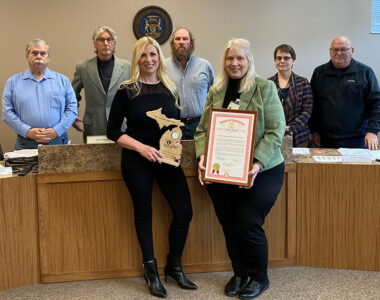
ALPENA -- Northern Michigan Opioid Response Consortium has been chosen to receive the 2023 Hometown Health Hero award by the Michigan Public Health Week Partnership.
This award recognizes individuals and organizations across the state working tirelessly to maintain and improve the health of the local communities.
Project Director Joyce Fetrow, CPRM, CPRM-M, CHW, received the award on behalf of NMORC. A ceremony and reception were held on April 11 in the new Heritage Hall of the Michigan State Capitol.
The Hometown Health Hero award is presented each year to individuals and/or organizations that have made significant and measurable contributions to preserve and improve their community's health. Awardees are selected solely from nominations received.
District Health Department No. 4 Health Officer Denise Bryan nominated NMORC for their accomplishments and dedication to the community's health and well-being through the consortium's activities to abate the opioid epidemic in northern Lower Michigan.
NMORC brings together many partners to address the opioid epidemic across a 25-county region in northern Lower Michigan. Partners include health care facilities (hospitals, hospital affiliated clinics, rural health clinics, and federally qualified health centers), Community Mental Health agencies, local public health agencies, prevention and harm reduction organizations, counseling centers, treatment centers, recovery community resources, law enforcement, and EMS.
They work to build a better living environment for people affected by opioid and substance use disorder. The NMORC's focus is on the following core activities:
1. Stigma reduction
2. Naloxone distribution, training and expansion of access
3. Harm reduction activities
4. Behavioral health integration
5. Provider trainings
6. Workforce
7. Building recovery capital
"This work is innovative and has never been undertaken with this extensive geography," said Bryan. "And, most importantly, the work includes the voice of people with lived experiences."
For more information about NMORC, contact Fetrow at 989-370-1470 or joyce.fetrow@affiliate.msu.edu.